Ship Store Improvements. Customers Find Out Automatically.





from 124+ reviews
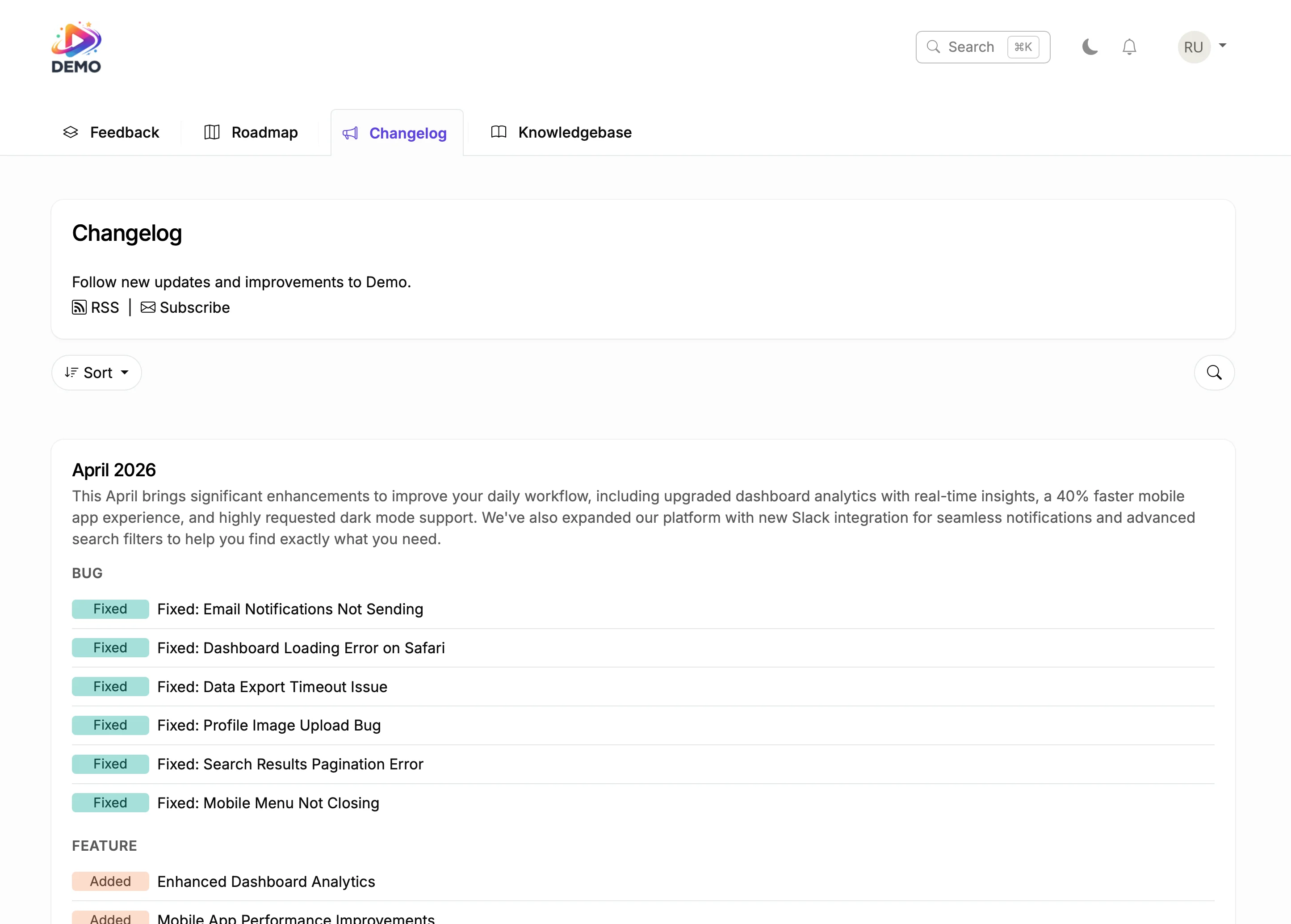





Try It Right Now
How It Actually Works
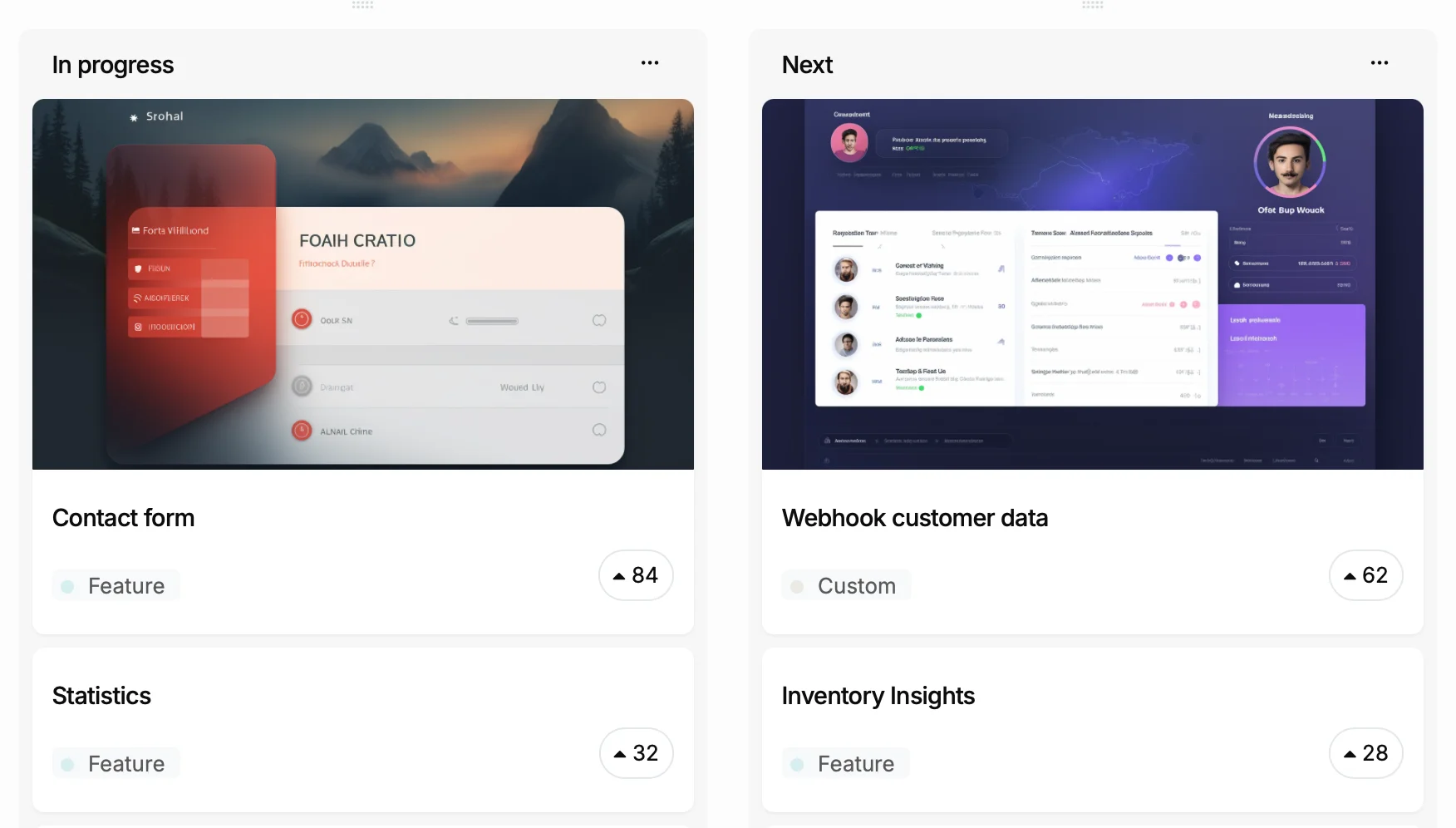
You ship a feature
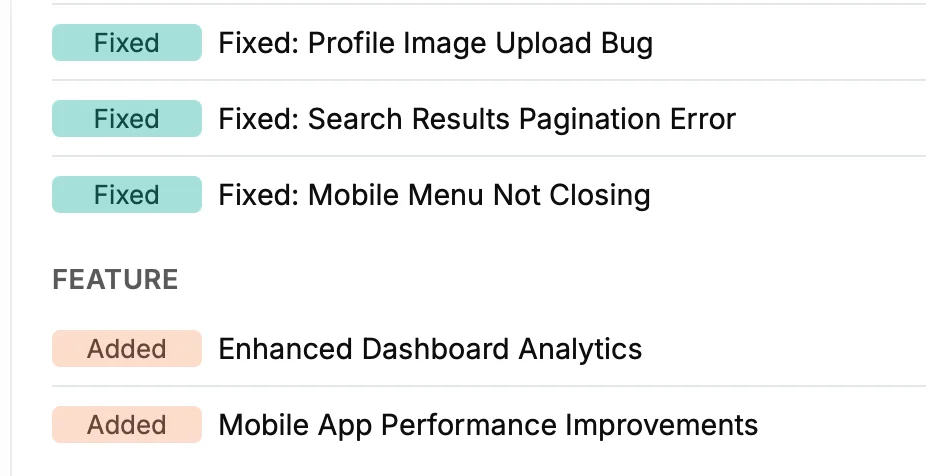
It becomes a changelog entry
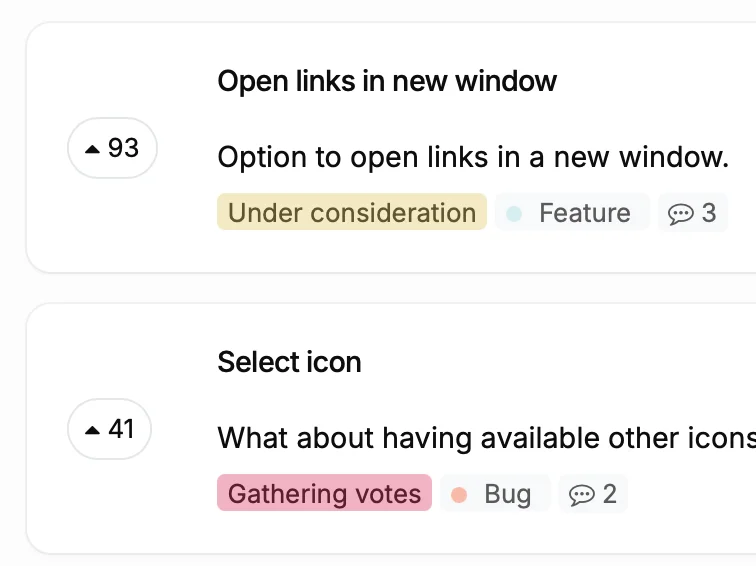
Voters get notified
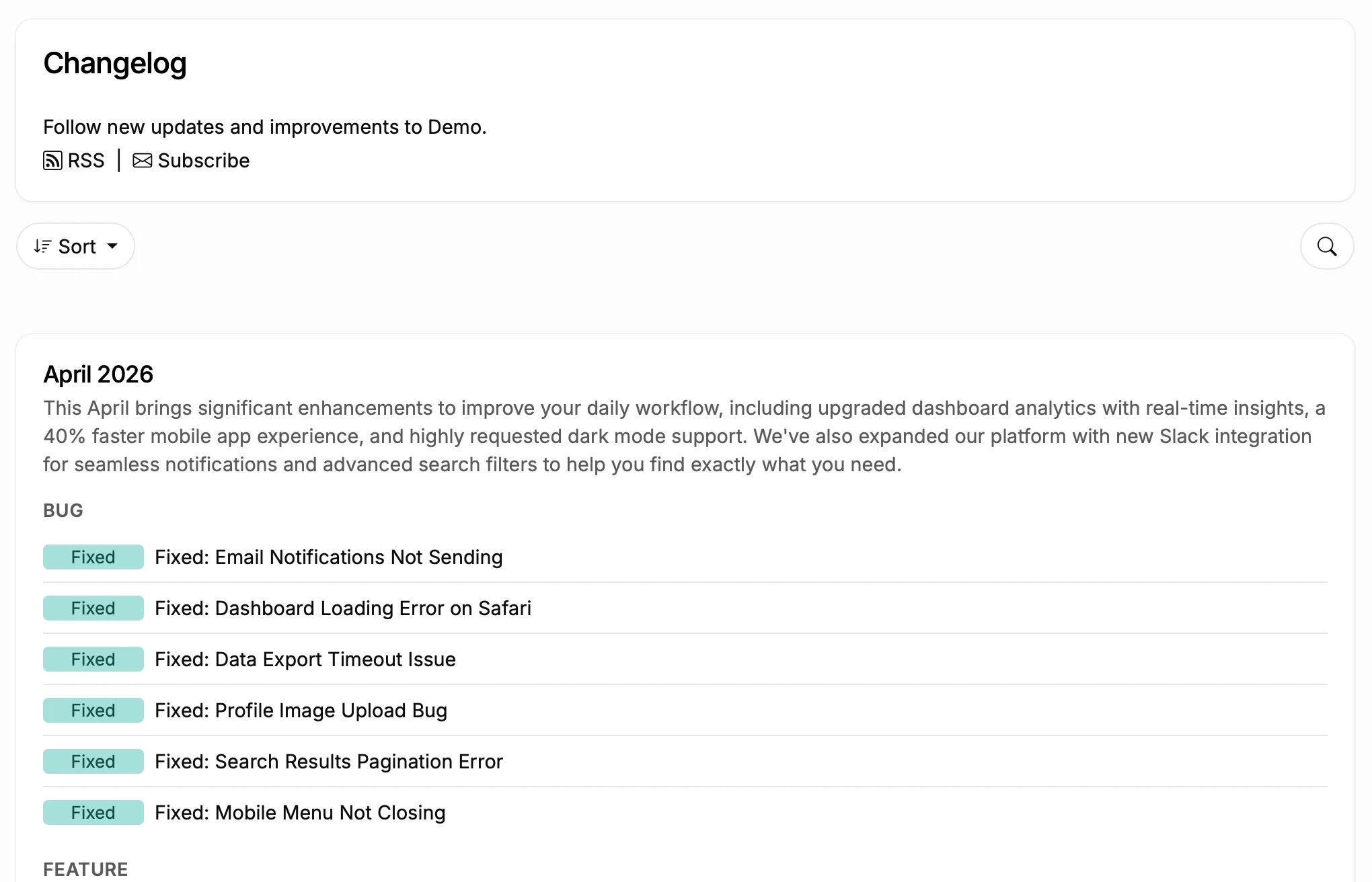
Subscribers stay in the loop
What Happens Without a WooCommerce Changelog
Before
With ProductLift
What You Can Do With This
Turn Git Commits into Changelog Entries
Categorize and Schedule Updates
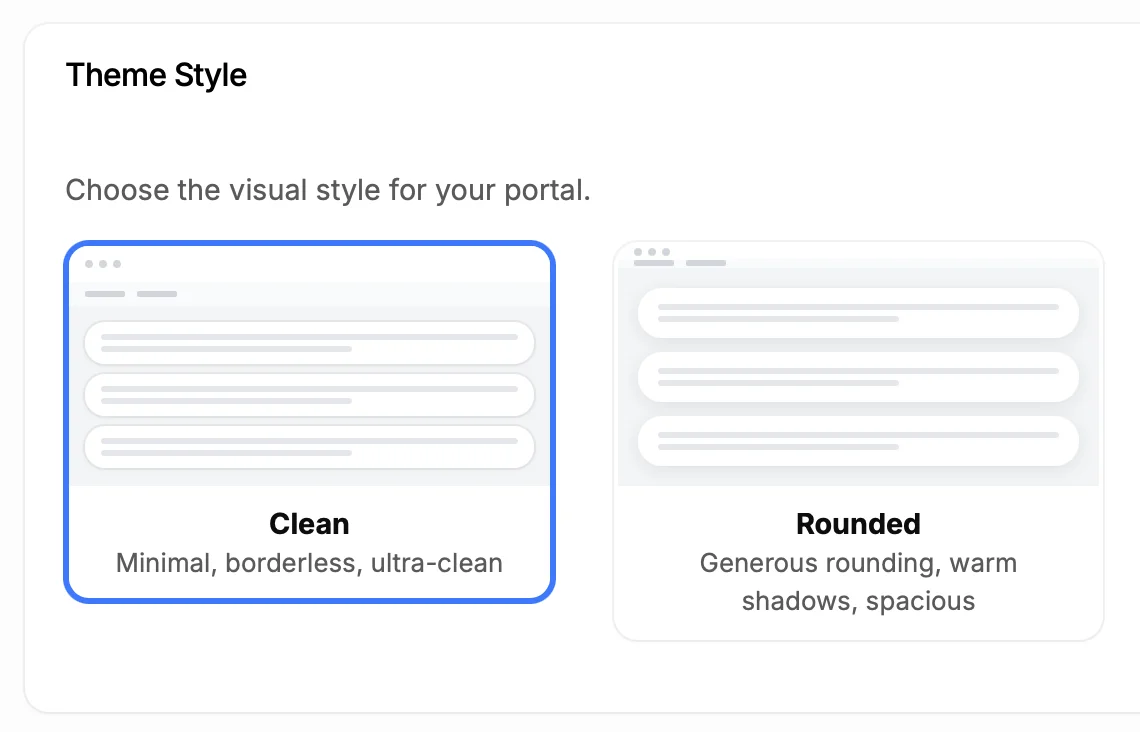
Make It Look Like Part of Your Site
5,204
Teams using ProductLift changelogs
4.8
Rating on G2 and Capterra
5 min
To set up on WooCommerce
Trusted by Store Owners Worldwide

Sebastian F.
Entrepreneur
★★★★★
This app will help you connect with your users and gather feedback like never before. The UI is clean and focused. The different pages and forms can be fully customized. Ruben is an amazing developer and entrepreneur with a proven track record. ProductLift is going places and you should get onboard.
AppSumo
Aaron Dye
★★★★★
An excellent product with equally excellent support! Everything just works, and when I had questions, the team was incredibly responsive.
Timothy M.
Product Manager
★★★★★
This tool is literally a needle in a haystack. I was using Frill, and this doesn't even compare. The user interface, the way it lays out — so amazing. Also amazing support team!
AppSumo
Ben
Product Owner
★★★★★
Helped us quickly move away from our antiquated spreadsheet to a user-interactive system. User feedback is now collected in real-time. Support has been super speedy!
AppSumo
Marco
★★★★★
Based in Europe, ideal for privacy-conscious customer interaction. Constant improvements by Ruben together with thorough support make ProductLift a solid and future-proof choice.
AppSumo
Chris R.
Founder
★★★★★
By far the most customizable of all the feedback tools and much better than Feedbear. Developer is super responsive and support has been great. Highly recommend!
AppSumo
Who Uses a Changelog on WooCommerce
Online Store Owners
SaaS Companies
Marketplace Operators
From Idea to Shipped Feature
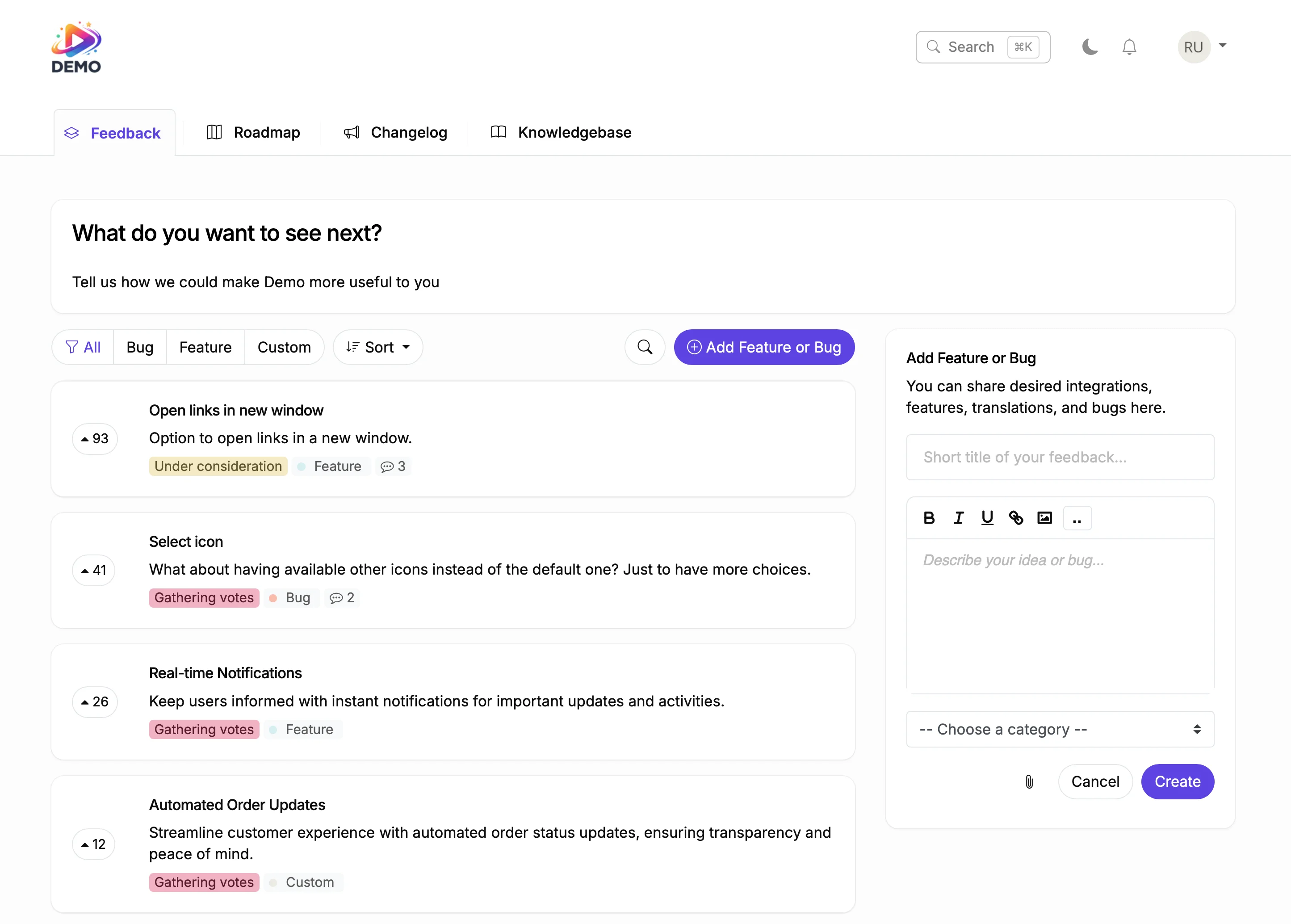
Collect Feedback
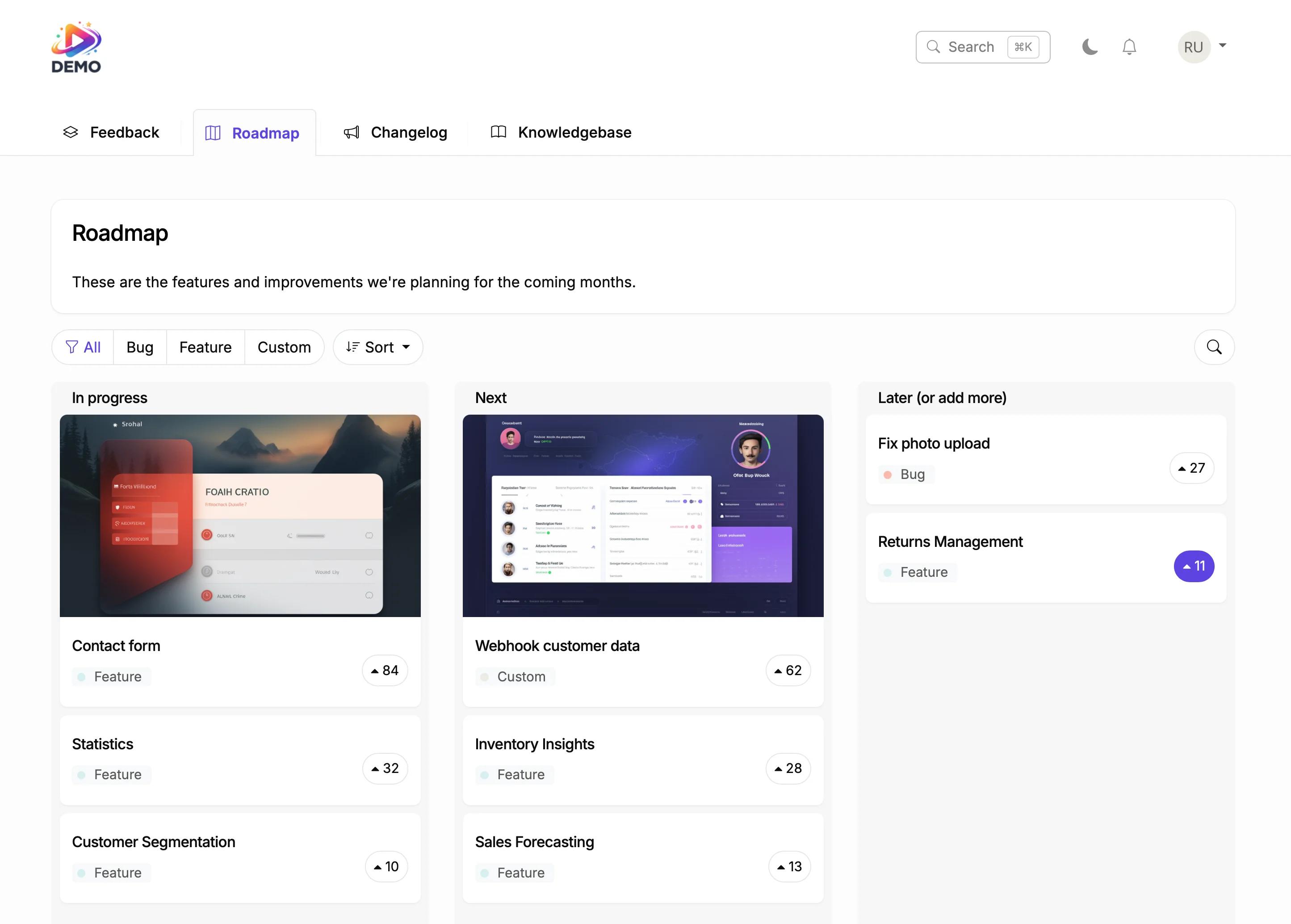
Plan on Your Roadmap
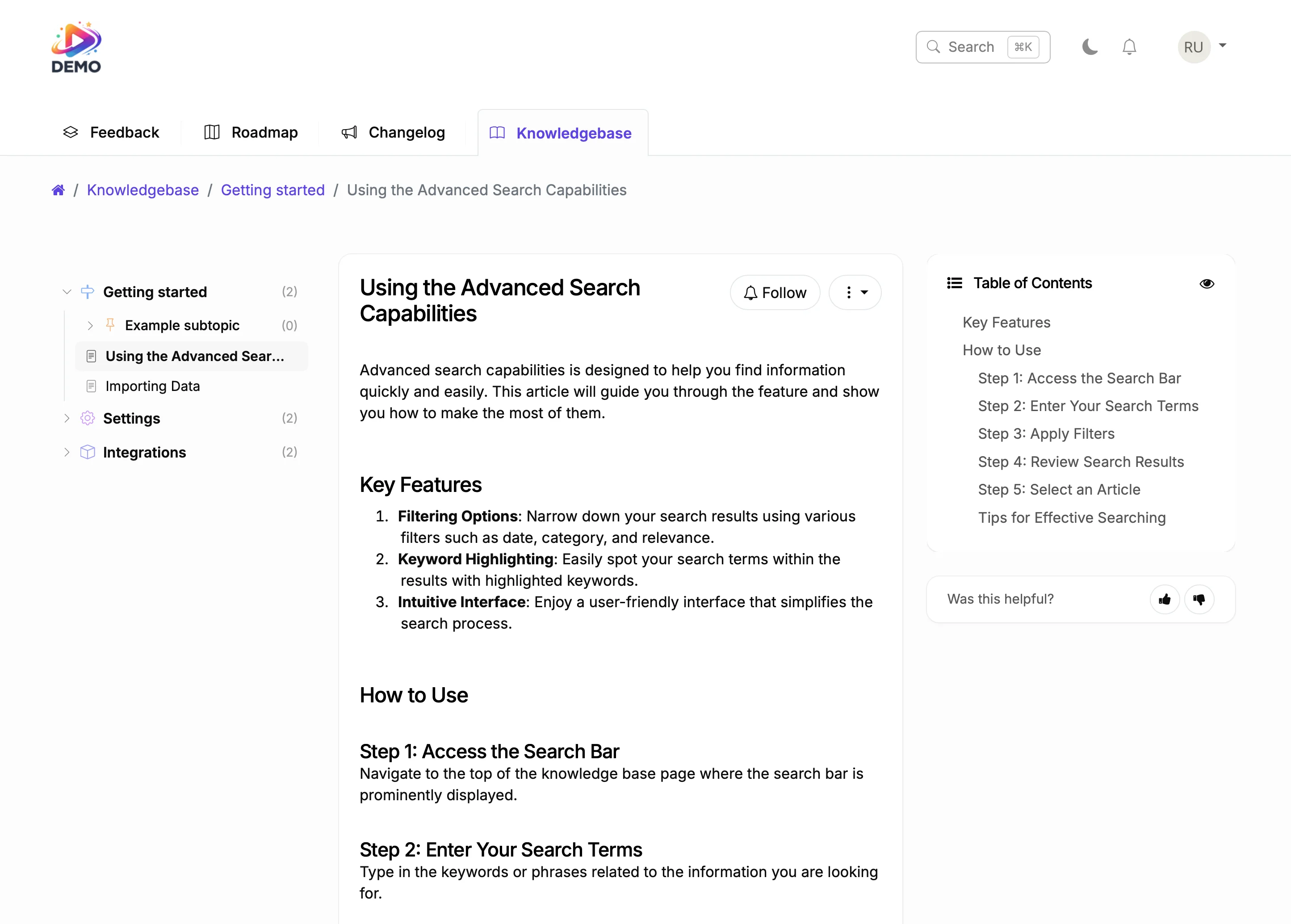
Document It
Store owners invest in platforms that keep improving. A changelog with months of categorized updates tells merchants the product is alive and evolving. That confidence drives adoption and retention.
ProductLift connects your changelog to feedback and roadmap. When a merchant votes for a feature and you ship it, they get notified through the changelog. That is the kind of communication that prevents churn.

Ruben Buijs
Founder of ProductLift
How WooCommerce Sites Benefit from a Changelog
WordPress.org plugin listings include a changelog tab, but it is one of the least-visited sections on any plugin page. Most WooCommerce users never see it. Updates happen silently through WordPress auto-updates, and users have no idea what changed until something breaks. A dedicated changelog on your own site puts updates front and center where your audience actually looks.
For WooCommerce extension developers, a branded changelog builds trust that the WordPress.org listing alone can't provide. When prospects compare your plugin to alternatives, a page showing months of categorized updates with screenshots immediately signals active maintenance. That visual proof converts evaluators into paying customers.
ProductLift's changelog requires no WordPress plugin installation. It embeds via a code snippet on any page or lives on a custom subdomain like updates.yourplugin.com. That means zero database tables, zero plugin conflicts, and no additional PHP execution on your WordPress server. Your WooCommerce site stays fast and your plugin stays compatible with the broader WordPress ecosystem.
The real power comes from connecting your changelog to ProductLift's feedback board. When a WooCommerce user requests a feature through your feedback board, that request flows into your roadmap. When you ship the feature and publish a changelog entry, the user who made the original request gets notified automatically. That closed loop turns passive users into engaged advocates who recommend your plugin on WordPress.org forums.
Explore More ProductLift Features
Feedback Board
Knowledge Base
Public Roadmap
WooCommerce Changelog Plugin FAQ
How do I add a changelog to my WooCommerce site?
Do I need to install a WooCommerce plugin?
Can I categorize changelog entries?
Will users get notified about new updates?
Does it support images and videos?
Can I customize it to match my brand?
Is there a free trial?
Comparing Changelog Tools?
Still shopping? Compare 10 of the top changelog tools and changelog software side-by-side in our best changelog tool guide. Real pricing, free-plan detail, voter auto-notification support, in-app widget quality, and roadmap integration for ProductLift, Beamer, AnnounceKit, Canny, FeatureBase, Headway, and more.