Blog
Product management resources
All things you need for effective product management, covering topics such as roadmap development, feature prioritization, and stakeholder communication.

Product Prioritization Framework Examples: 6 Real-World Case Studies
See how real product teams use RICE, ICE, MoSCoW, and other prioritization frameworks. 6 practical examples with actual scores, decisions, and outcomes.


10 SaaS Knowledge Base Examples With Takeaways
Explore 10 real SaaS knowledge base examples from Stripe, Notion, Slack, and more. See what makes each effective and how to apply those lessons.

How to Choose a Prioritization Framework (Decision Guide)
A practical decision guide for choosing the right product prioritization framework. Answer 4 questions to find the best framework for your team size, data, and decision type.

RICE vs ICE vs MoSCoW: Side-by-Side Comparison Table
Side-by-side comparison of 10 product prioritization frameworks. Compare RICE, ICE, MoSCoW, Kano, and others on scoring type, complexity, data needs, and best use cases.
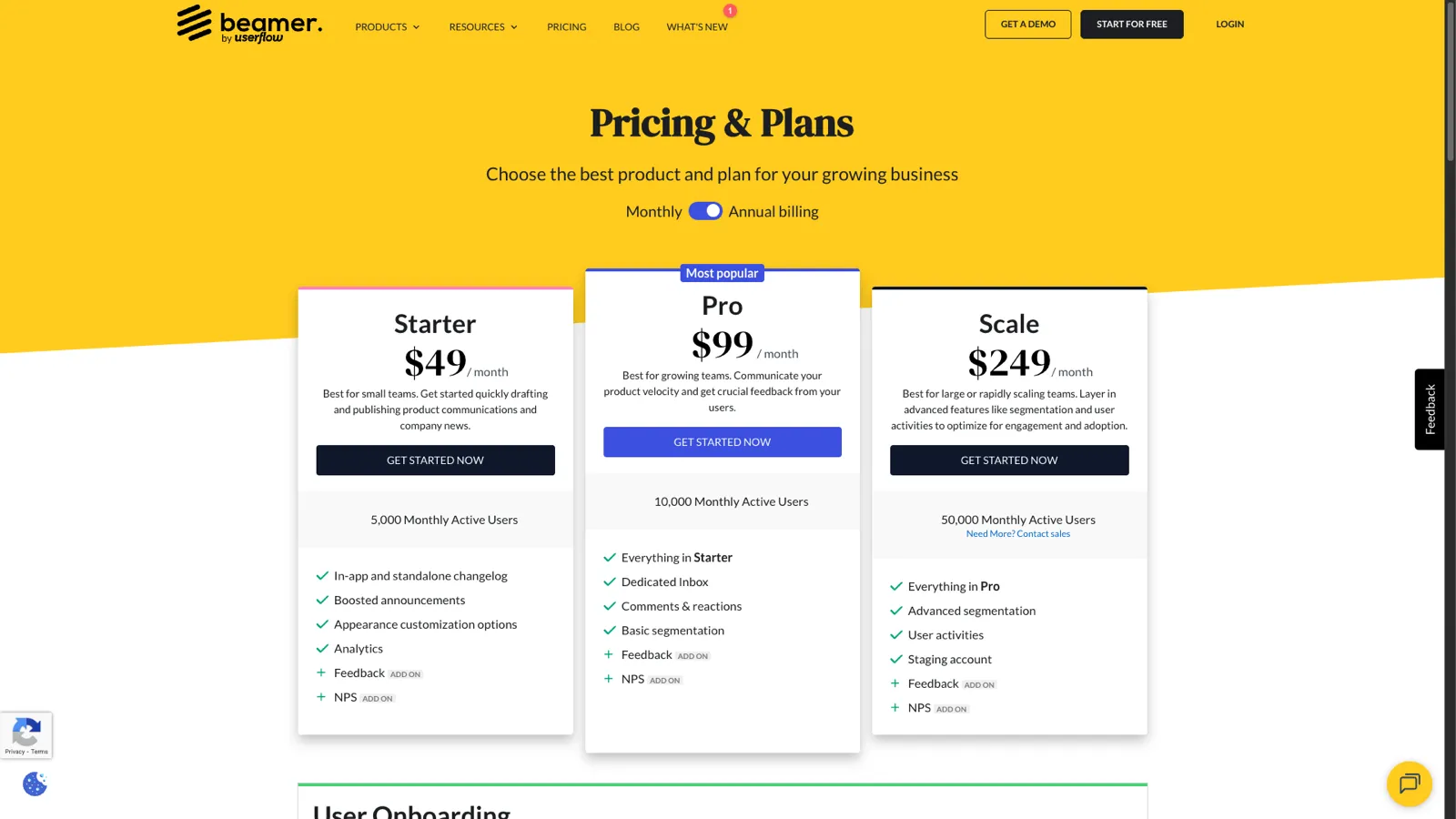
Beamer Pricing 2026: Plans, Costs & Alternatives
Beamer pricing starts at $49/mo (annual) for changelogs with MAU limits. Feedback is a paid add-on. Full 2026 pricing breakdown inside.

Product Prioritization Framework for Startups: Ship What Matters Fast
The best prioritization frameworks for startups at every stage. From pre-PMF to growth, learn which framework fits your team size, data, and speed requirements.

From Feature Requests to Roadmap: A Complete Guide
Learn when to promote feature requests to your roadmap, how to merge duplicates, notify voters, and keep credibility through the full lifecycle.
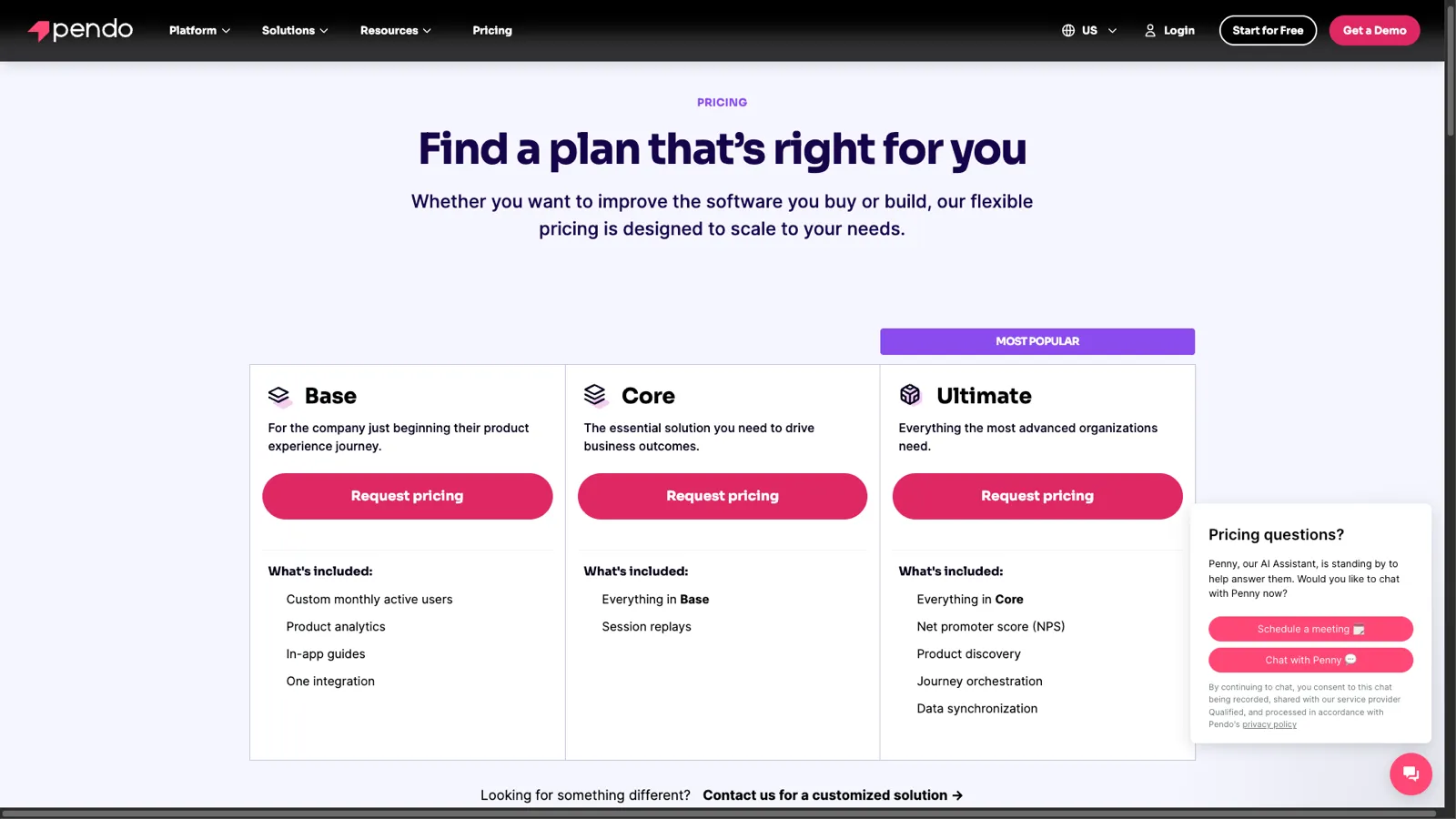
Pendo Pricing 2026: What It Costs Per Plan
Pendo pricing is custom-quoted across Base, Core, and Ultimate plans. No public prices. Here is what Pendo actually costs in 2026 based on user reports.

How to Say No to Feature Requests Without Losing Customers
Learn 7 tactful ways to decline feature requests while keeping customers engaged. Includes response templates and expectation management tips.

12 Knowledge Base Best Practices for SaaS Teams
Discover 12 proven knowledge base best practices for SaaS. Learn how to structure, write, and maintain help articles that reduce support tickets.
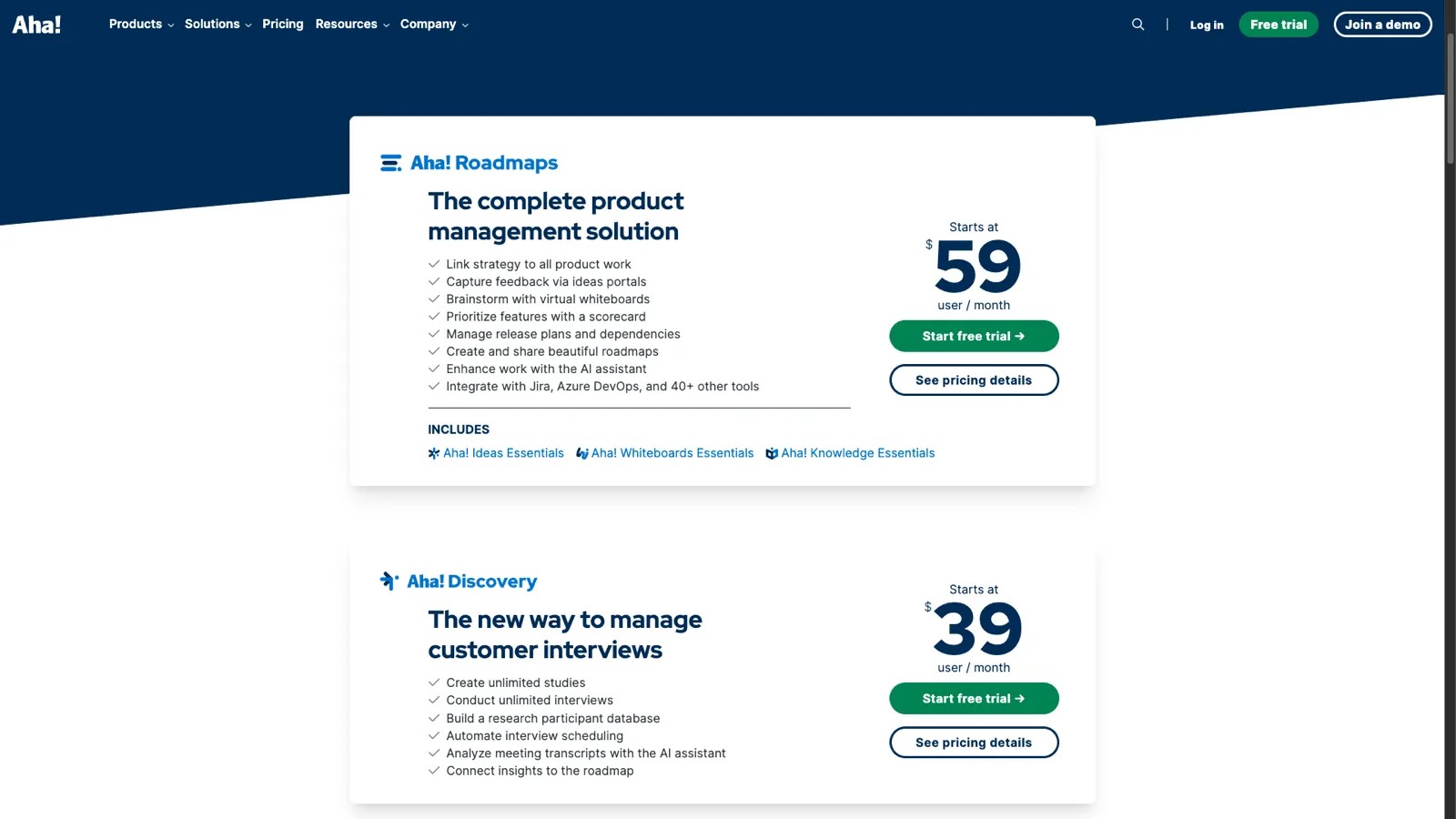
Aha! Pricing 2026: Plans, Hidden Costs & Alternatives
Aha! pricing starts at $39/user/month for Discovery and $59/user/month for Roadmaps (now includes Ideas Essentials). See the full 2026 cost breakdown, hidden fees, and how it compares.

How to Prioritize Feature Requests: 4 Frameworks
Learn how to prioritize feature requests using RICE, ICE, MoSCoW, and Impact-Effort. Combine scoring models with revenue data to build what matters.
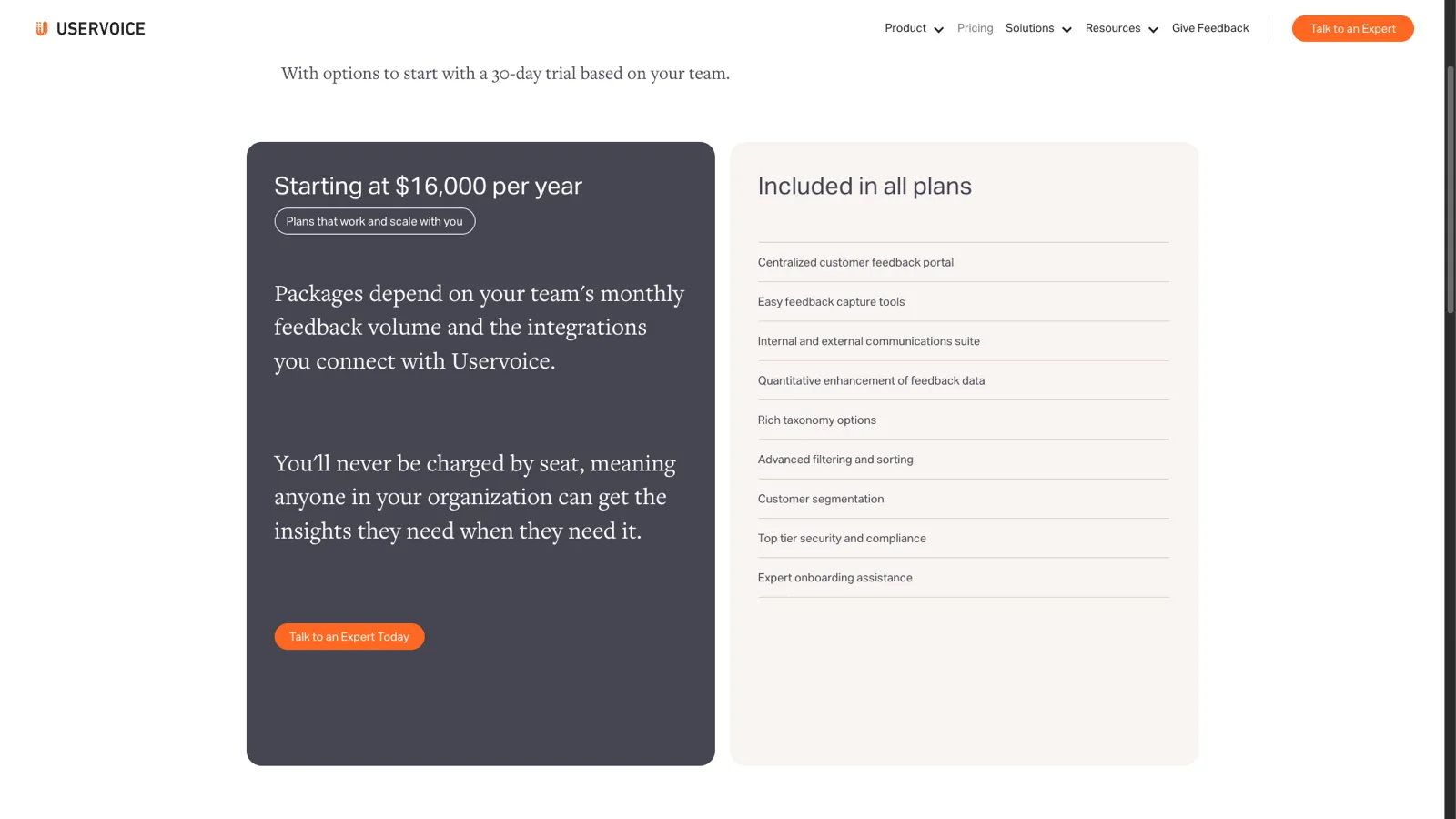
UserVoice Pricing 2026: Plans, Costs & Alternatives
UserVoice pricing starts at $16,000/year (~$1,333/mo). No per-seat charges. 30-day trial available. See the full cost breakdown and affordable alternatives.

How to Create a Knowledge Base: 8-Step Guide
Learn how to create a knowledge base from scratch. This guide covers planning, writing, structuring, and maintaining help docs that reduce support tickets.

Bug vs Feature Request: How to Tell the Difference
Learn how to distinguish bugs from feature requests, handle grey areas, and classify edge cases. Includes a decision framework and communication tips.
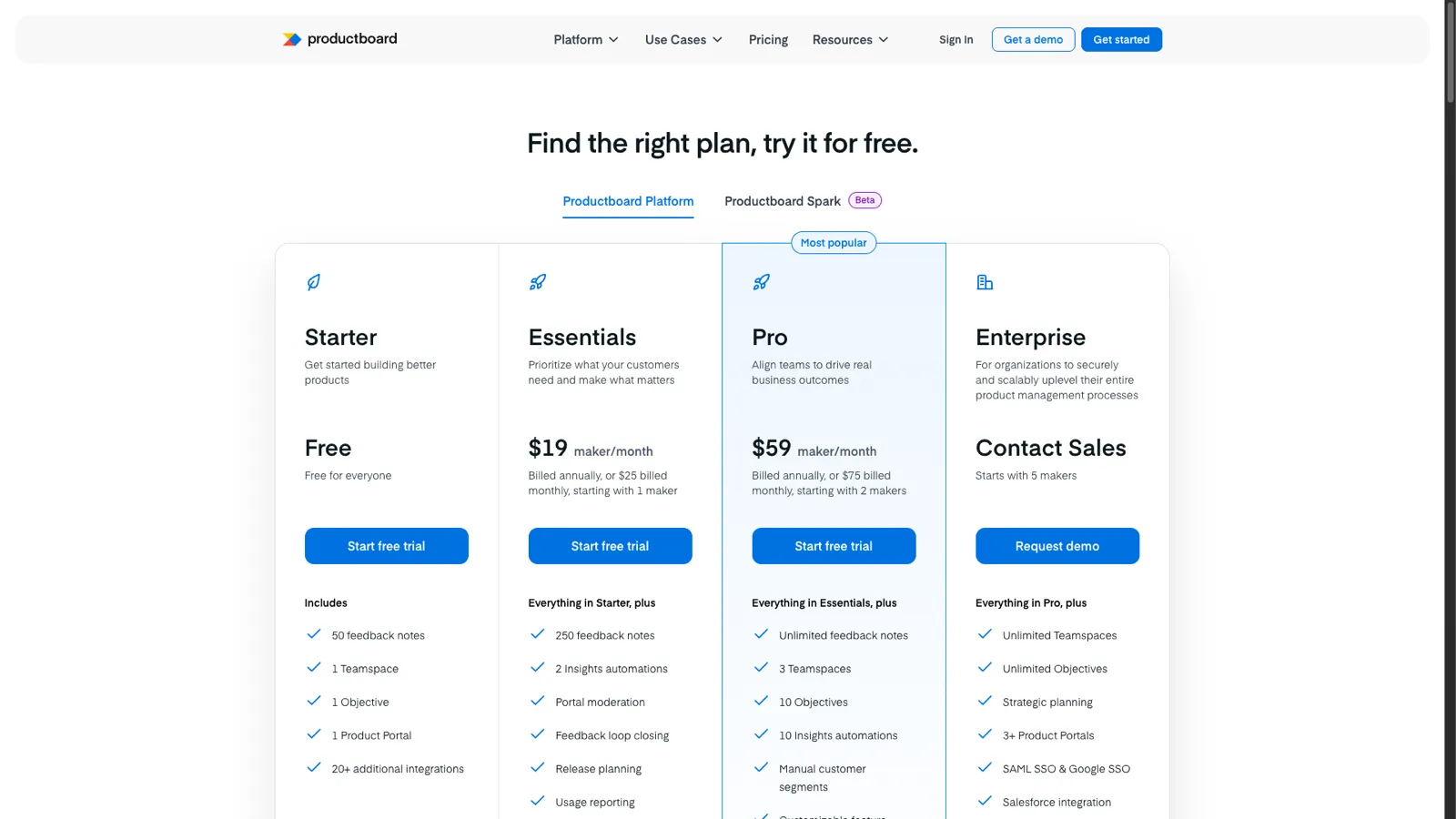
Productboard Pricing 2026: What You Really Pay
Productboard pricing starts free (Starter) with paid plans from $19 to custom Enterprise pricing. See real costs at 5, 10, and 20 makers, hidden upgrade traps, and how it compares.
5 Feature Request Templates You Can Copy Today
Copy these 5 proven feature request templates for any team size. From basic forms to enterprise formats, find the right structure for product feedback.

Knowledge Base vs FAQ: Differences Explained
Learn the key differences between a knowledge base and FAQ page. See when to use each, how they compare on structure and depth, and how to combine both.
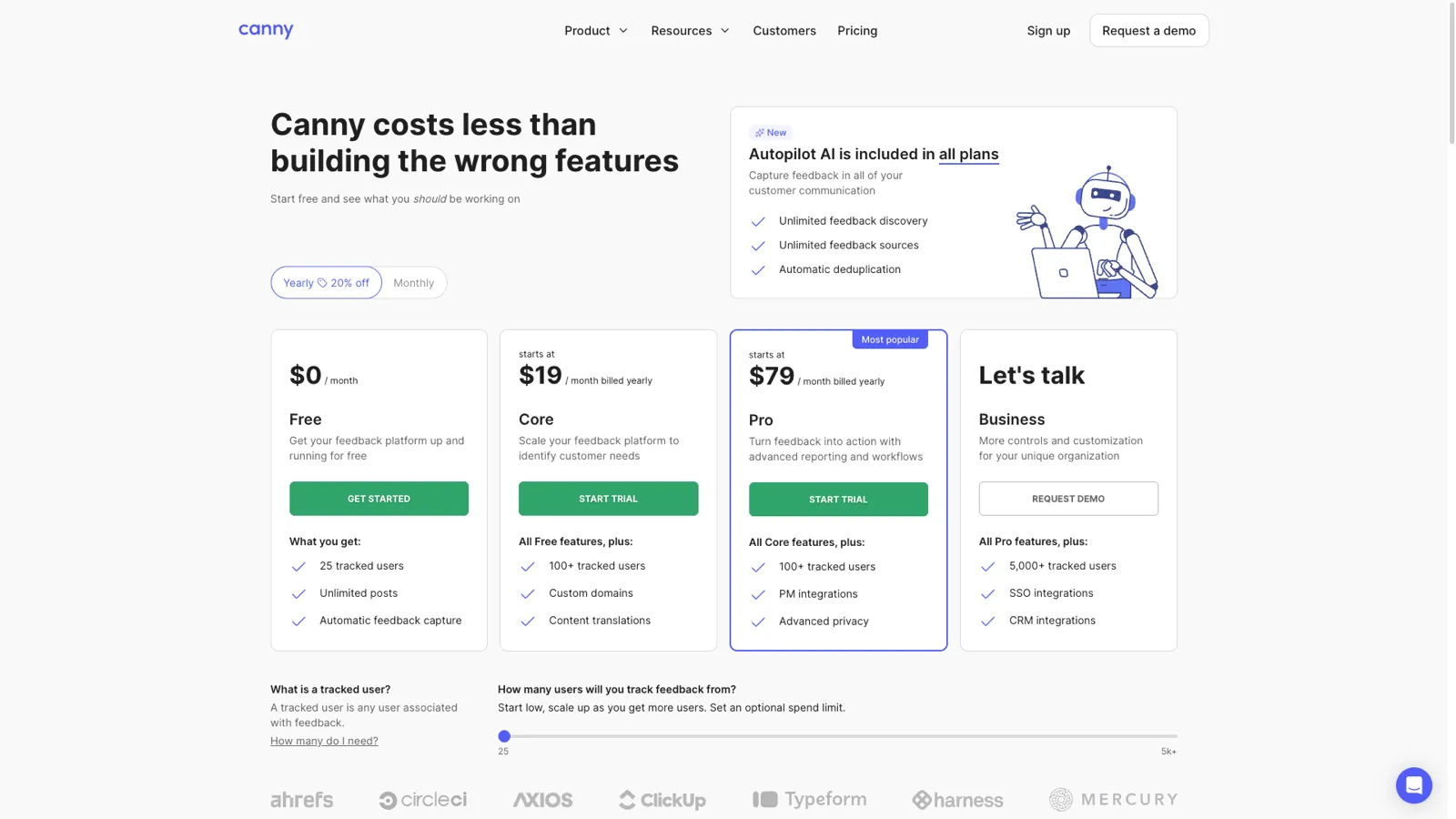
Canny Pricing 2026: Plans, Costs & Hidden Fees
Canny pricing starts free but jumps to $19-$79/mo with custom Business pricing. We break down every plan, hidden costs, and compare Canny vs ProductLift.

Feature Voting Best Practices for Product Teams
Learn 10 proven feature voting best practices to collect better feedback, prioritize by revenue impact, and build what customers want.

RICE vs ICE: Which Prioritization Framework Should You Use?
RICE and ICE are two popular prioritization frameworks. This guide compares their key differences, pros and cons, and helps you decide which framework is right for your product team.

10 Product Prioritization Frameworks (2026)
Compare 10 prioritization frameworks with data from 94 product teams. Includes RICE, MoSCoW, ICE, Kano and more with real examples.

MoSCoW Prioritization Method Explained
Learn the MoSCoW method: Must have, Should have, Could have, Won't have. Includes real examples, common mistakes, and when to use it over RICE.
RICE Prioritization: Guide With Examples
Master the RICE prioritization framework (Reach, Impact, Confidence, Effort) with step-by-step scoring examples and a free template for product teams.
Free RICE Template Excel
Download the free RICE matrix template for Excel. Calculate RICE scores easily with this prioritization template. Also available for Google Sheets.
Free RICE Template Google Sheets
Access the free RICE prioritization Google Sheets template. Collaborate in real-time and prioritize product features objectively.
Free RICE PPT Template PowerPoint
Download the free RICE prioritization PowerPoint template. Present RICE scores visually and prioritize product features objectively.
Free RICE Template for Effective Prioritization
Download free RICE templates in Excel, Google Sheets, PowerPoint, Notion, and Miro. Easily calculate RICE scores and prioritize product features objectively.
Free MoSCoW Prioritization Excel Template
Download the free MoSCoW matrix template for Excel. Categorize requirements and prioritize features using this MoSCoW table template.

Free ICE Prioritization Excel Template
Download the free ICE framework template for Excel. This feature prioritization template calculates ICE scores automatically. Prioritize product features with clarity and speed.

Pricing Your Next Product Feature: Four Savvy Strategies
Find the best pricing strategy for your new feature. Whether to bundle, add-on, or offer it free. Practical tips to align your pricing with your product goals.

7 Product Roadmap Examples for 2026: Find Your Perfect Fit
Discover 7 product roadmap examples and samples for 2026. From software roadmaps to SaaS, agile, and public roadmap examples - find your perfect fit.

Integrating Customer Feedback for a Successful Product Launch
Learn how to effectively gather and utilize customer feedback during product launches to improve success, enhance user experience, and drive product iterations.
ICE Scoring Model: How to Prioritize Fast
Learn the ICE scoring model (Impact, Confidence, Ease) with real examples and a free template. Faster than RICE and used by top growth teams.

How Customer-Led Growth Transformed My Approach to Product Management
Learn how to implement a customer-led growth strategy to build products customers love, improve marketing, and drive sustainable business growth.

Product Manager vs Product Owner
Product Manager vs Product Owner: what's the difference? Compare responsibilities, salaries, and career paths for PMs and POs.

What is a CPO or Chief Product Officer?
The CPO or Chief Product Officer leads the entire product organization. This article explains the role, position in organization, and much more.

How to Build a Product Roadmap in Trello
Step-by-step guide to building a product roadmap in Trello. Includes board setup, list structure, and a better alternative for growing teams.

19 Proven Tactics to Position Your SaaS for Business Success
Product managers have to tell customers how their product is distinctive from others. You can stand out from the crowd if you can do that well. It can be your way to get a competitive advantage in a market where more significant players dominate. This article describes which factors are relevant to SaaS companies with some examples.
 from Utrecht