Using customer feedback in a product launch is key to aligning what you build with market needs and customer desires. This guide covers the steps and strategies for using feedback to plan, launch, and refine your product successfully.
Launching a new or updated product is a pivotal moment for any company. It's the process where your product becomes available to customers. A successful product launch requires deep market research, understanding customer needs, and standing out from the competition. Defining your target audience and creating a buyer persona will guide your product development and marketing efforts, ensuring your product resonates with potential customers.
To launch a successful product, you need to do market research, identify your target audience, and understand your competition.
Before launching, you need a comprehensive understanding of market trends, customer preferences, and the competitive landscape. This research will help tailor your product to meet market demands effectively.
Identify who your ideal customers are and create detailed buyer personas. This helps in crafting messages that resonate and compel action, ensuring your marketing efforts are well-targeted.
Understand what your competitors are offering and how your product stands out. This will help you position your product favorably in the minds of consumers.
Validate Your Product Concept
Prototyping and Feedback
Define Your Launch Goals
Prepare Your Marketing Collateral
Develop a Launch Timeline
Plan Post-Launch Activities
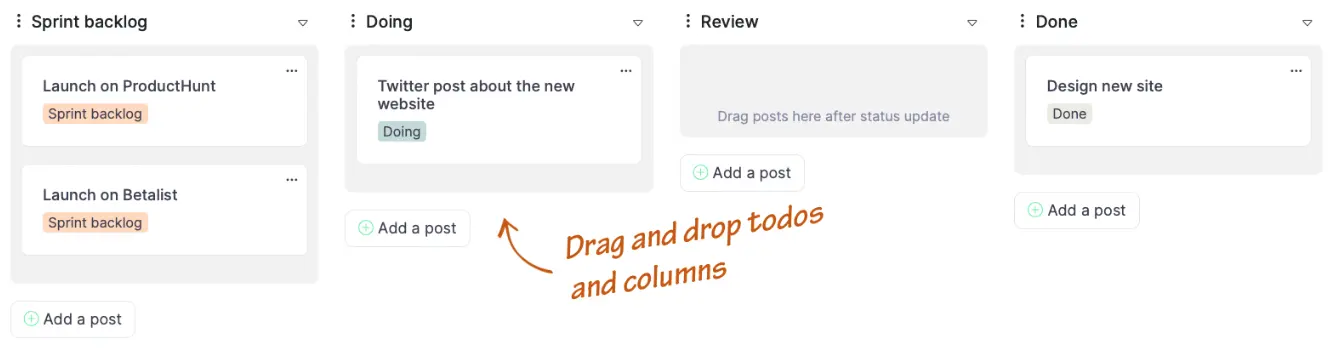
You will see this results into quite an action list. You can keep track of actions in a tool such as ProductLift.
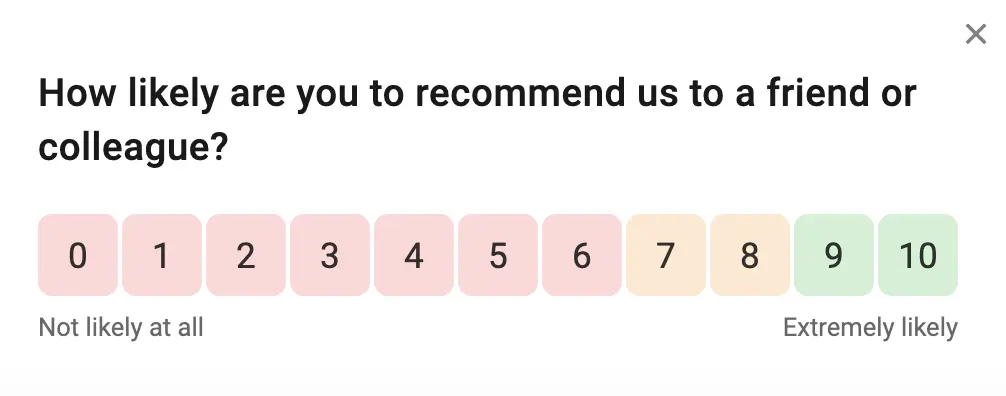
Ensure that providing feedback is simple and convenient for your customers. Use multiple channels such as surveys, focus groups, and online forums. An easy feedback process encourages more responses, providing a broader data set to analyze.
Surveys: Tools like SurveyMonkey or Google Forms are great for structured feedback.
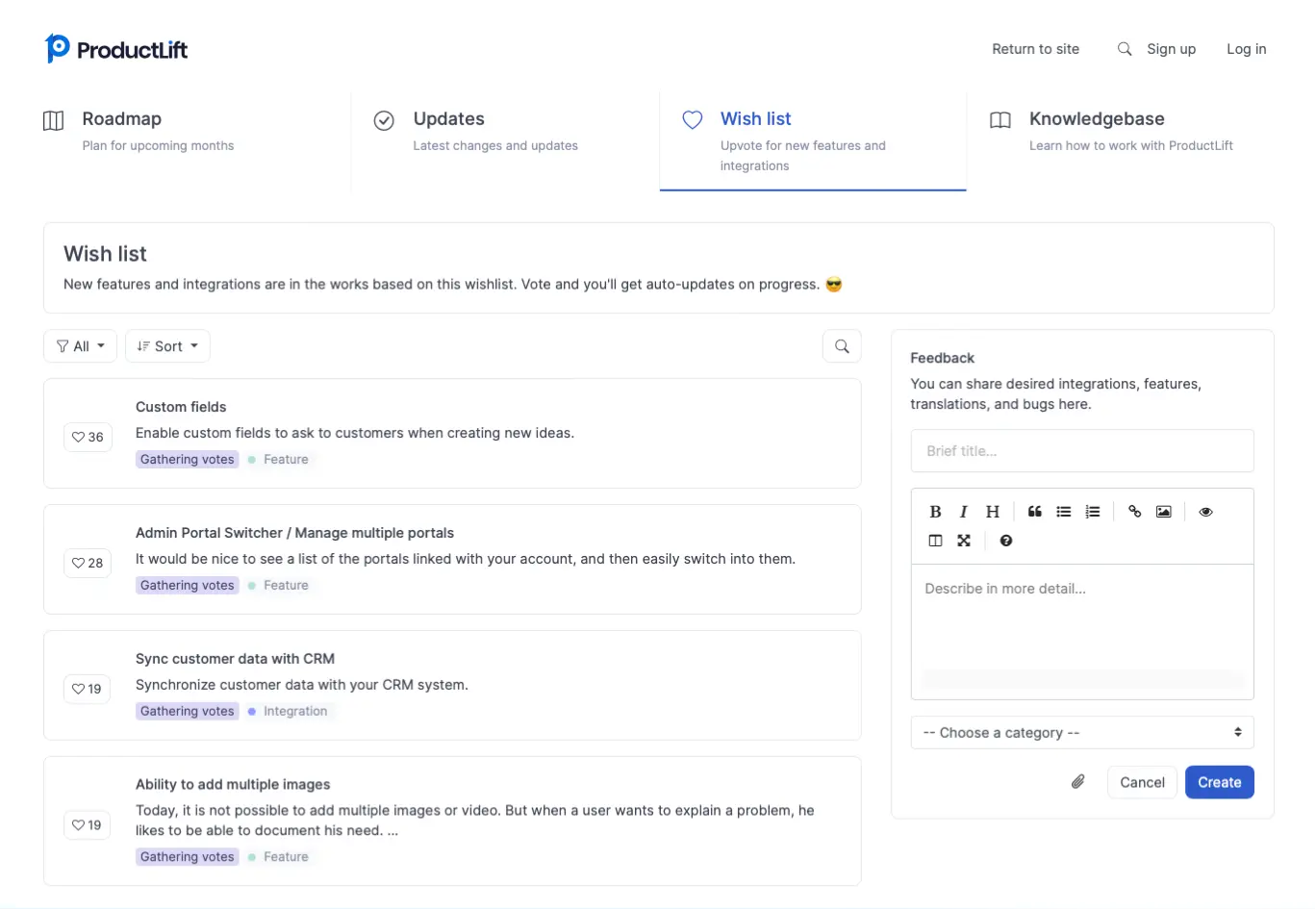
Feedback Portals: Centralize feedback with tools like ProductLift to consolidate and prioritize customer insights.
Customer Support: Analyze support tickets and chat logs for recurring issues.
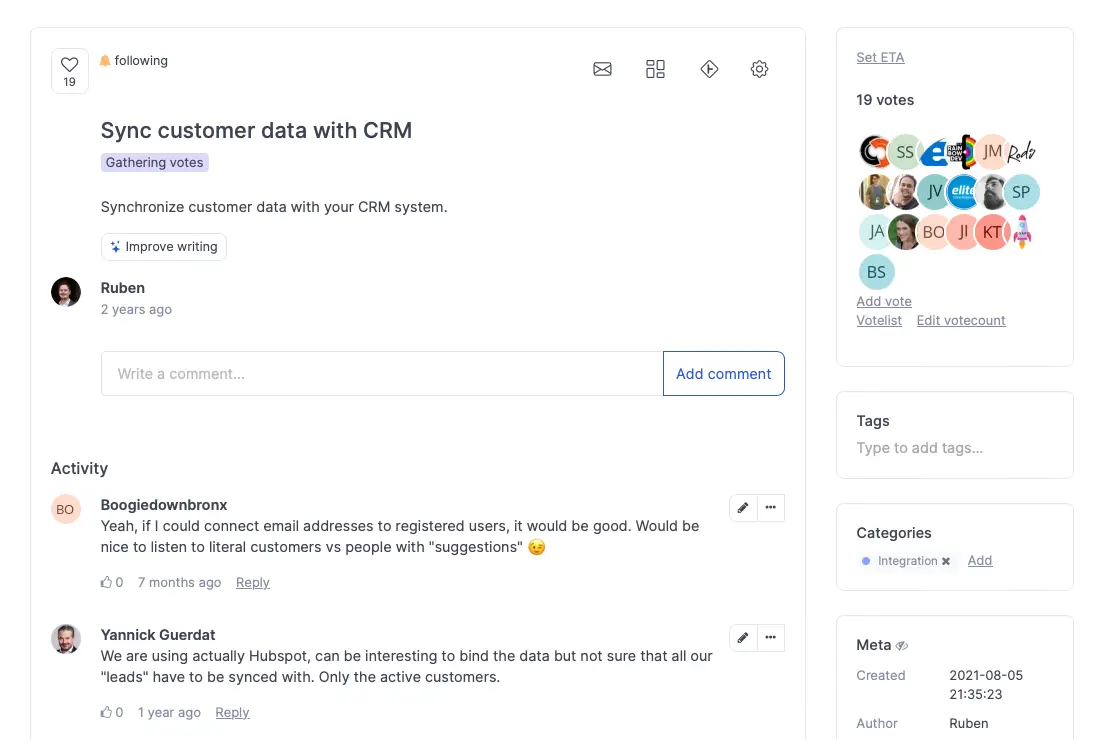
Social Media: Monitor platforms for unsolicited feedback and trends.
Product Reviews: Check review sites for customer opinions.
Direct Feedback: Use email and feedback forms integrated within your software.
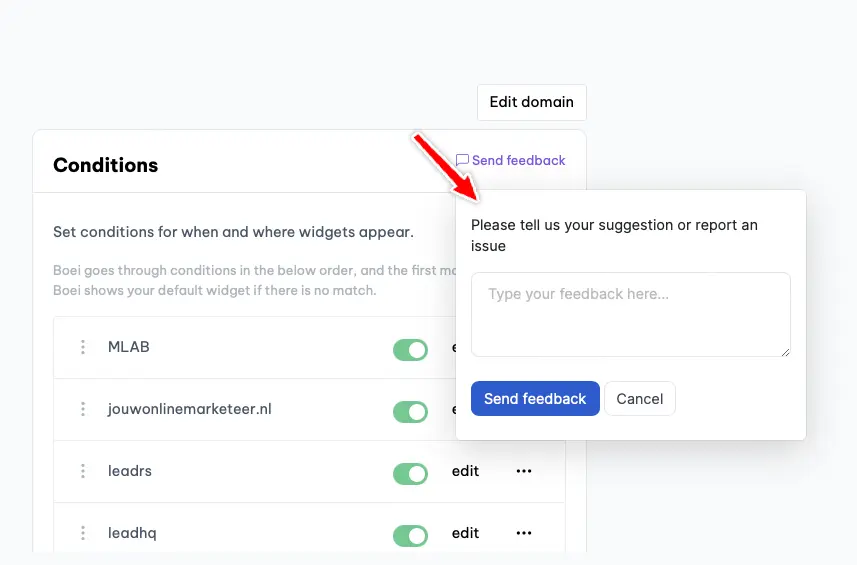
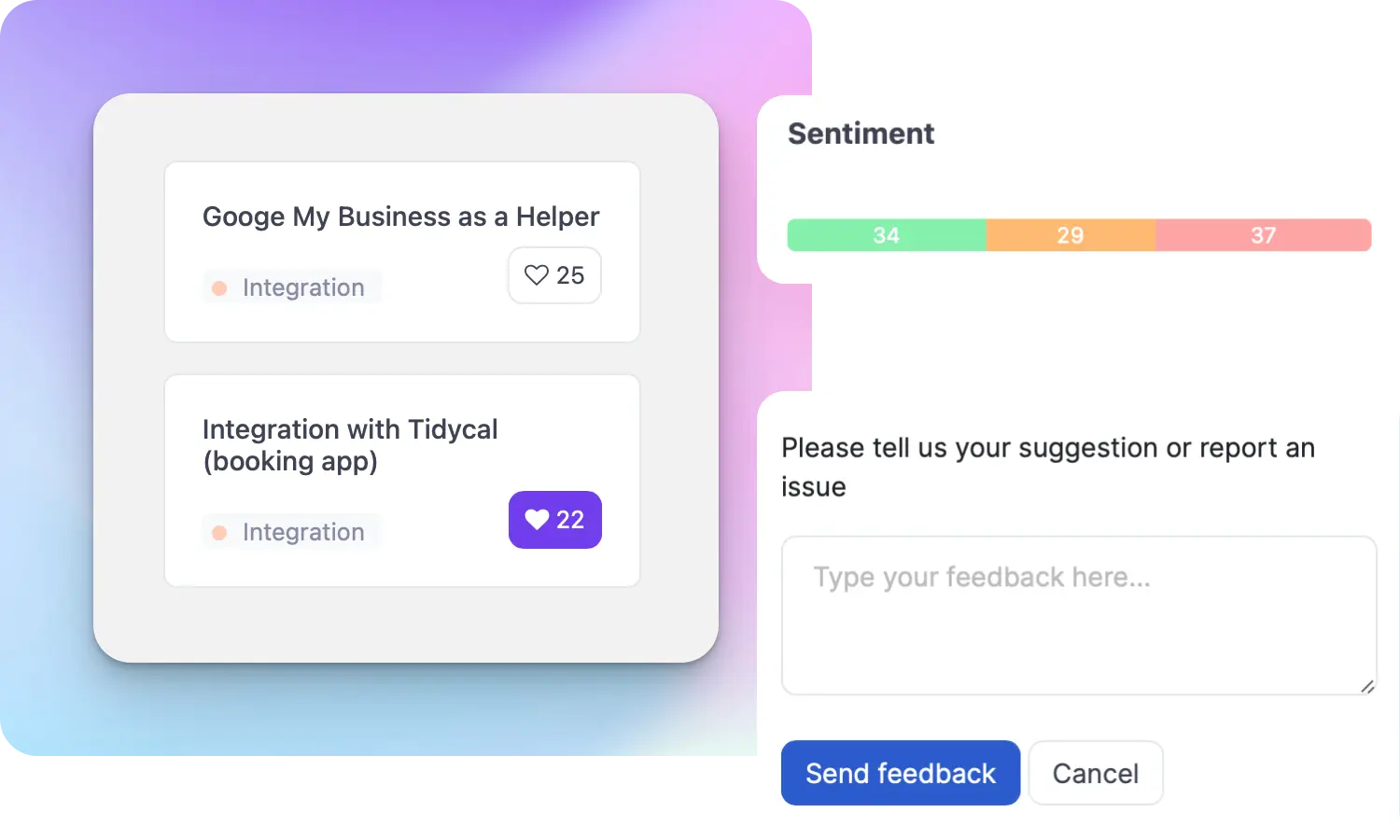
Feedback Widgets: Subtle in-app widgets can gather feedback without disrupting the user experience.
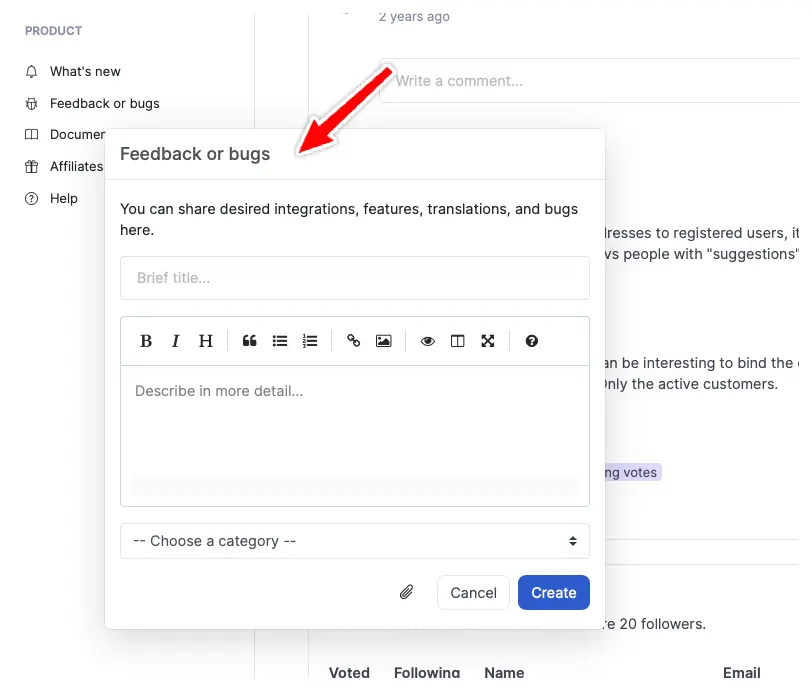
Develop a systematic approach to collect and analyze feedback. Regular surveys with specific questions about product features, user experience, and potential improvements can yield actionable insights.
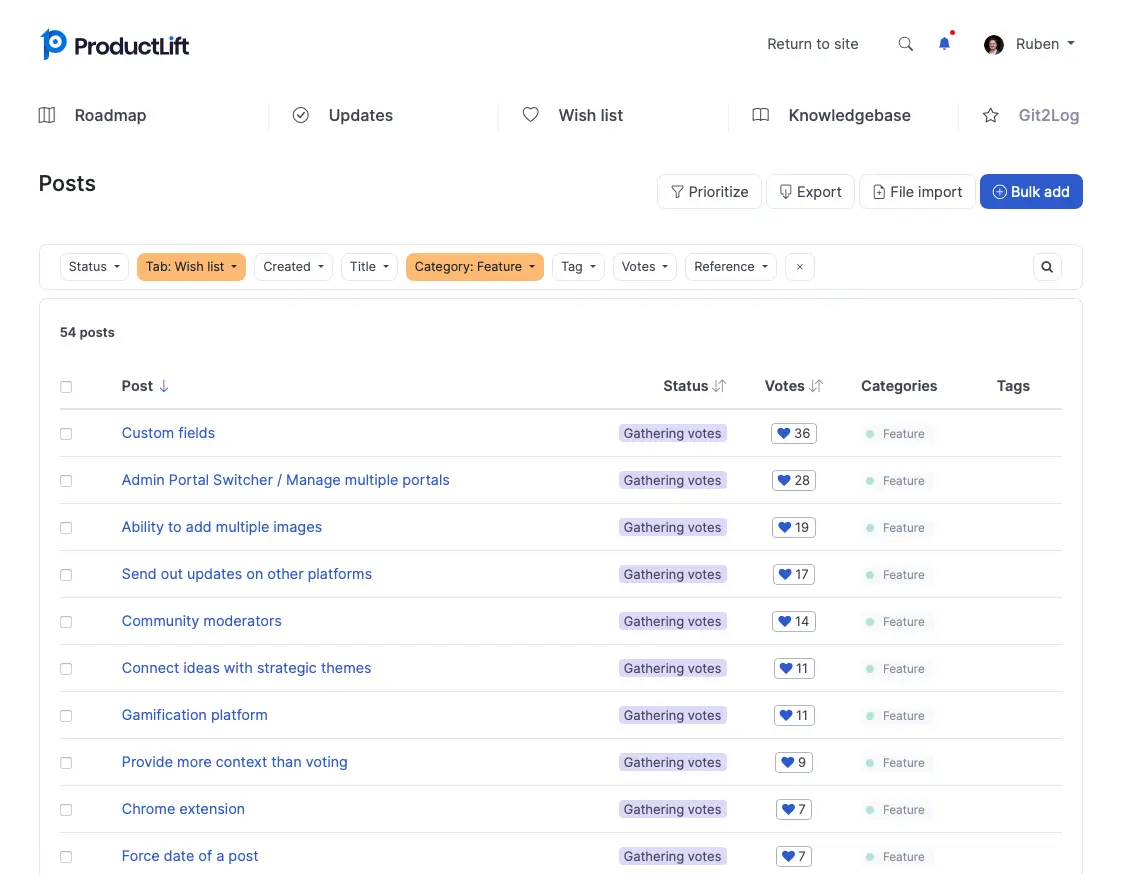
Responding promptly to feedback shows customers that their opinions are valued. Prioritize features and implement changes that can significantly impact the product's effectiveness and customers' perceptions before launch.
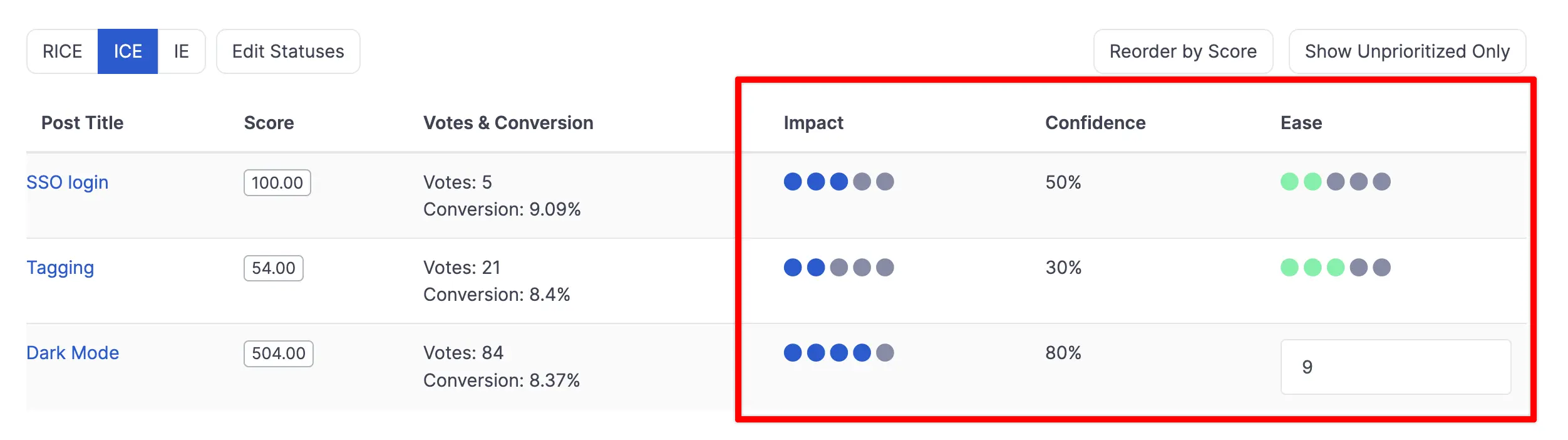
Beta testing is a crucial phase where early adopters provide valuable feedback. Transparent communication about the testing process builds trust and positively influences customer satisfaction.
Customer feedback can reveal flaws or enhancements that might be overlooked. Incorporate feedback into your development process to ensure the final product meets customer expectations.
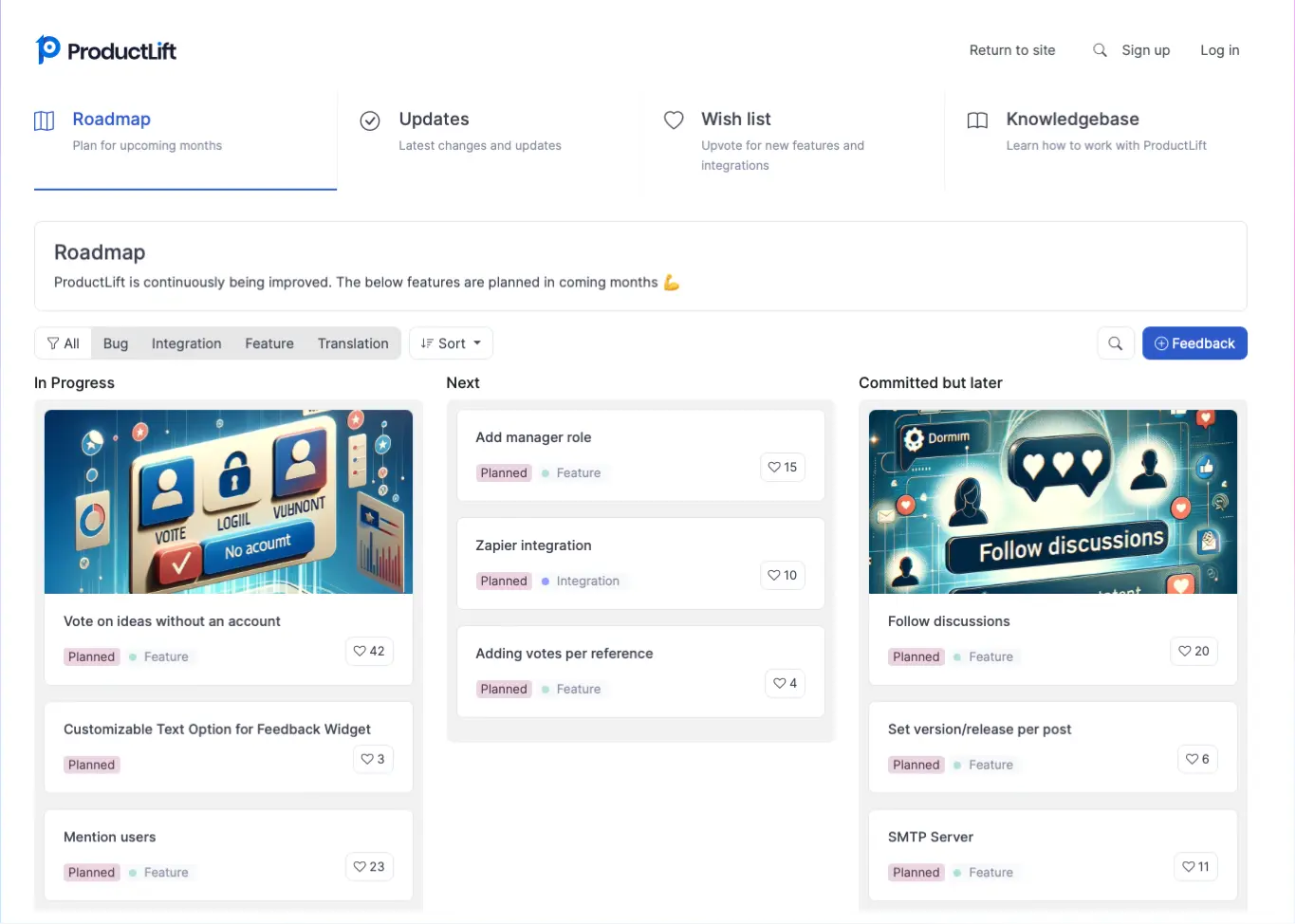
Customer testimonials and data-driven results from feedback can enhance marketing materials. Authentic customer experiences are powerful and can drive a successful product launch.
Post-launch, continue gathering feedback to improve customer service and satisfaction. Addressing concerns and praises can build a strong foundation for future sales and loyalty.
Use customer feedback to plan future updates, ensuring the product evolves with customer needs.
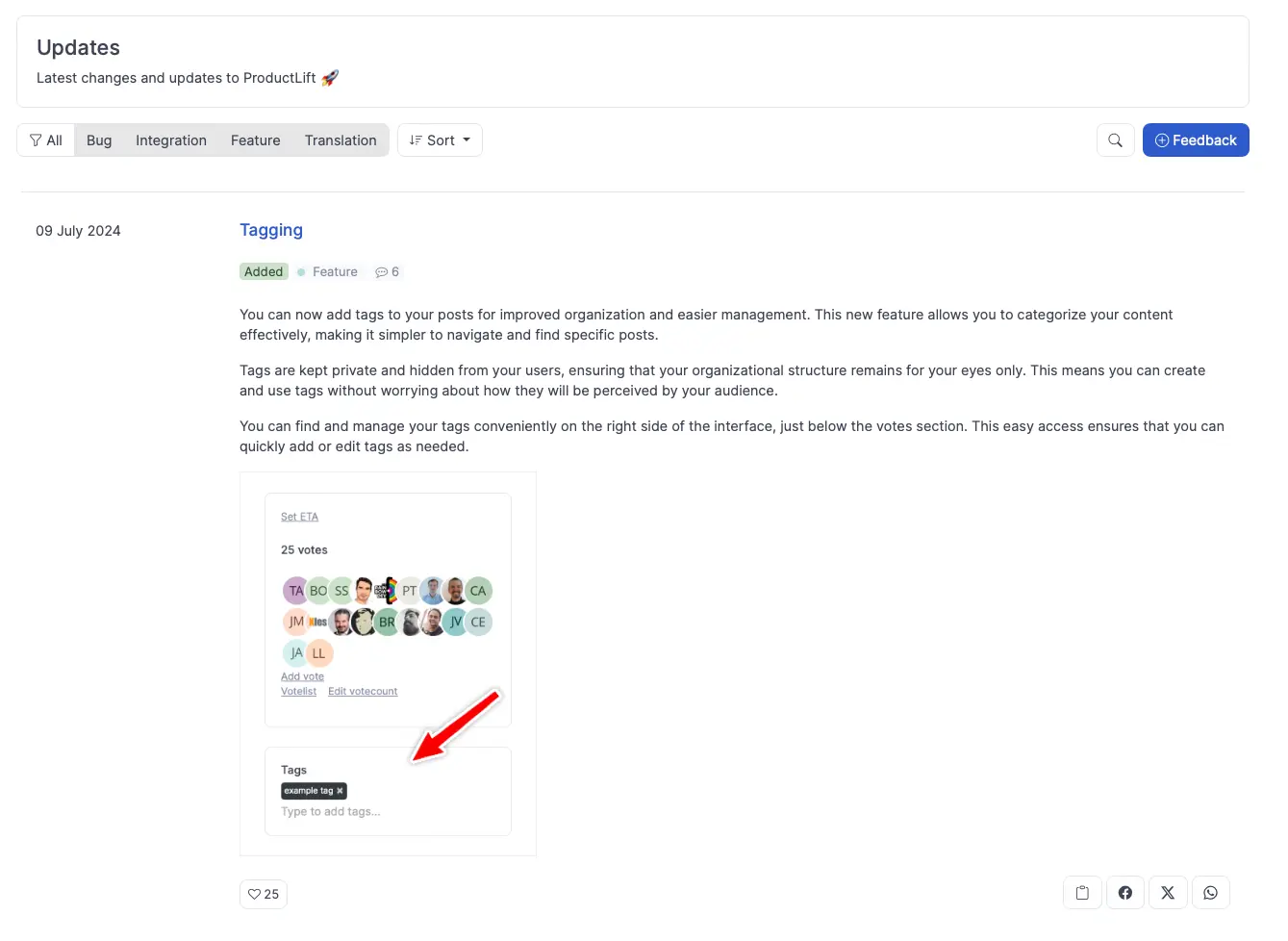
Here are some additional tips to help you make the most of your product launch:
A well-timed and strategically planned product launch can significantly impact your product's success. ProductLift helps you capture, organize, and prioritize feedback, ensuring that your product strategy is driven by customer insights.
With ProductLift, you can collect, analyze, and organize feedback, engaging with customers throughout the development process. Features include feedback collection via widgets, feedback segmentation, embedding roadmaps, and closing the feedback loop.
A successful product launch relies on understanding your market, defining your target audience, and leveraging customer feedback. By following the steps outlined in this guide and using tools like ProductLift, you can ensure that your product meets customer needs and stands out in a competitive market.
Sign up for ProductLift and set up a complete customer feedback management system to make your product launch a success.
Join over 3,051 product managers and see how easy it is to build products people love.





Did you know 80% of software features are rarely or never used? That's a lot of wasted effort.
SaaS software companies spend billions on unused features. In 2025, it was $29.5 billion.
We saw this problem and decided to do something about it. Product teams needed a better way to decide what to build.
That's why we created ProductLift - to put all feedback in one place, helping teams easily see what features matter most.
In the last five years, we've helped over 3,051 product teams (like yours) double feature adoption and halve the costs. I'd love for you to give it a try.

Founder & Digital Consultant
Learn when to promote feature requests to your roadmap, how to merge duplicates, notify voters, and keep credibility through the full lifecycle.
Learn 7 tactful ways to decline feature requests while keeping customers engaged. Includes response templates and expectation management tips.
Learn how to prioritize feature requests using RICE, ICE, MoSCoW, and Impact-Effort. Combine scoring models with revenue data to build what matters.
Learn how to distinguish bugs from feature requests, handle grey areas, and classify edge cases. Includes a decision framework and communication tips.
Copy these 5 proven feature request templates for any team size. From basic forms to enterprise formats, find the right structure for product feedback.
With bike energy  from Utrecht
KVK: 20145923 - BTW: NL001143413B86