Feedback Board Software That Tells You What to Build Next





from 124+ reviews
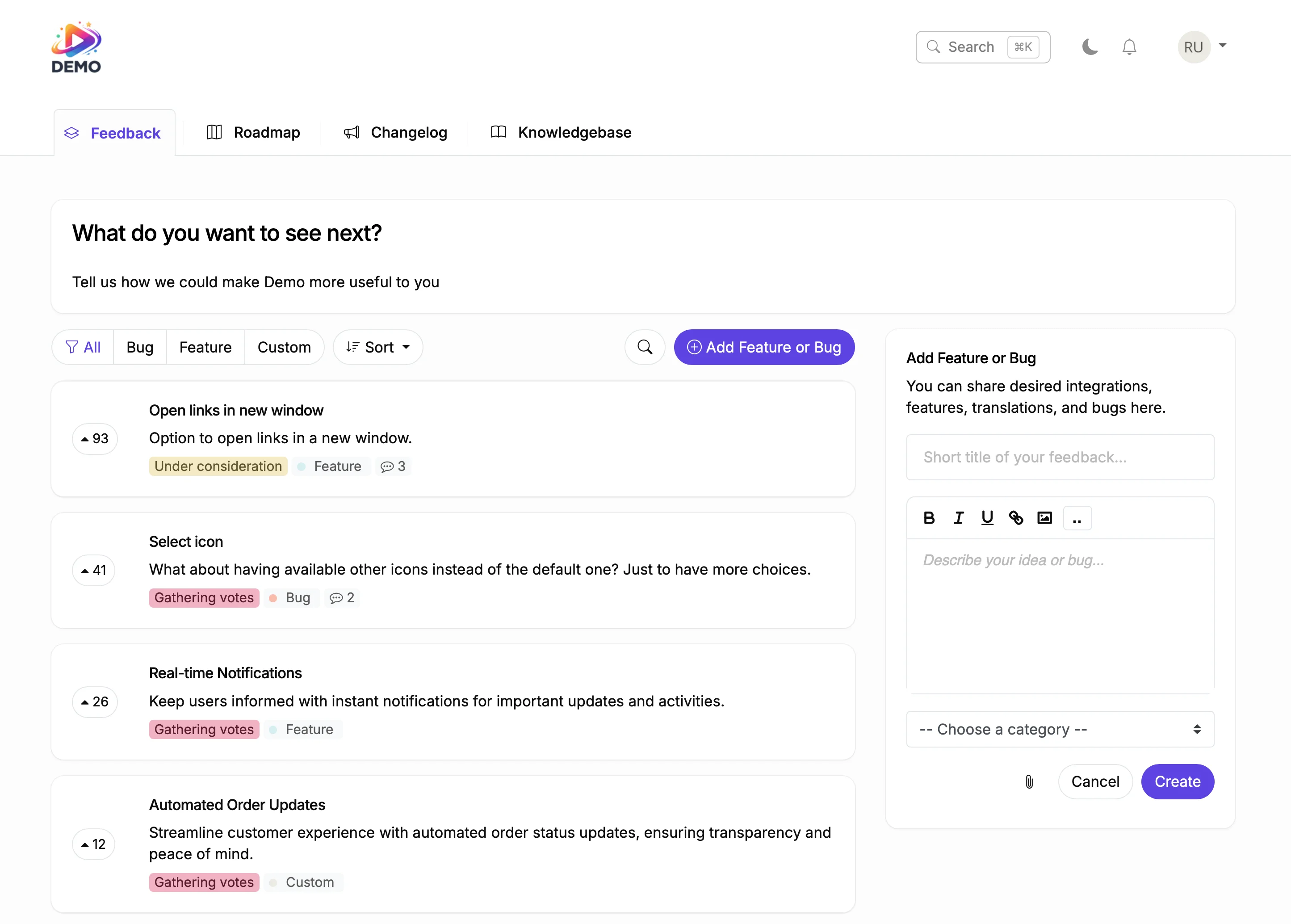





Try It Right Now
How It Actually Works
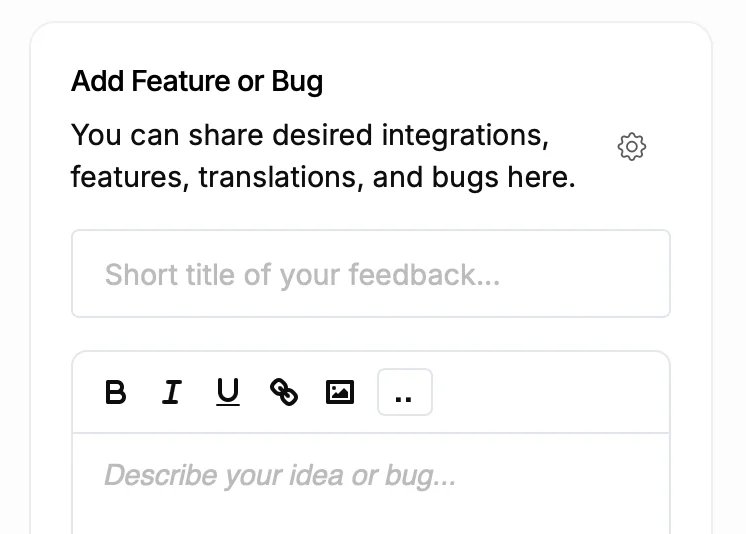
Someone requests a feature
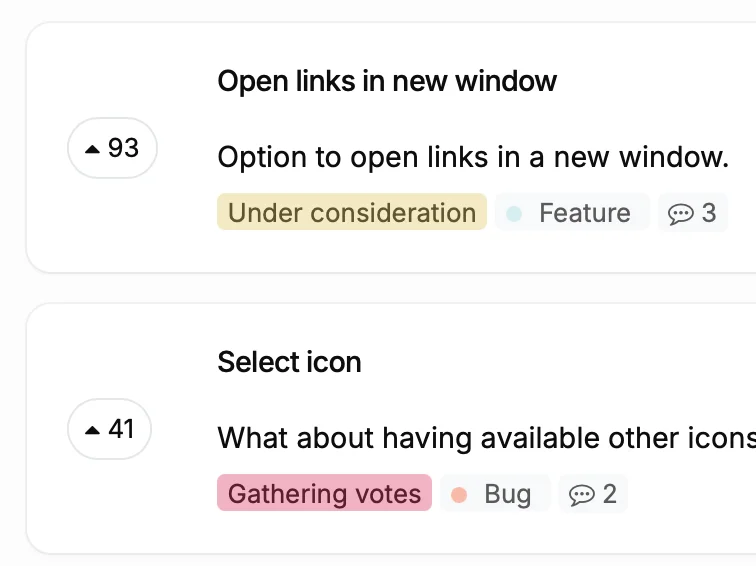
Users vote and signal demand
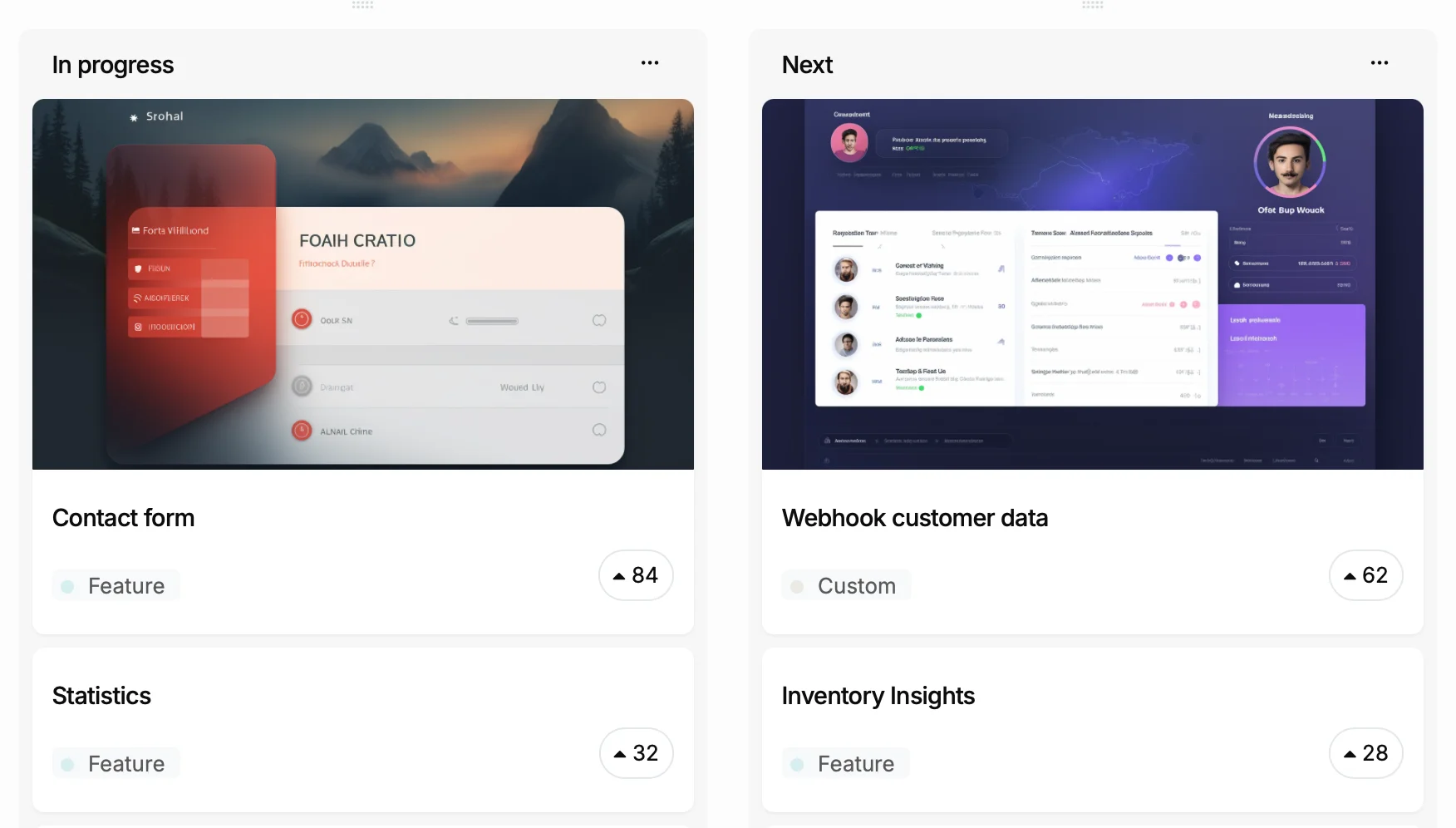
You prioritize and plan
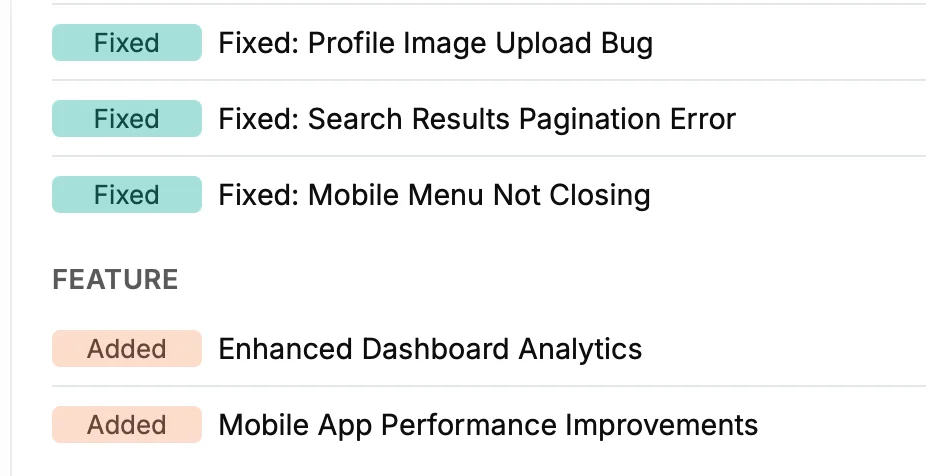
You ship and close the loop
What Changes When You Use a Feedback Board
Before
With ProductLift
What You Can Do With This
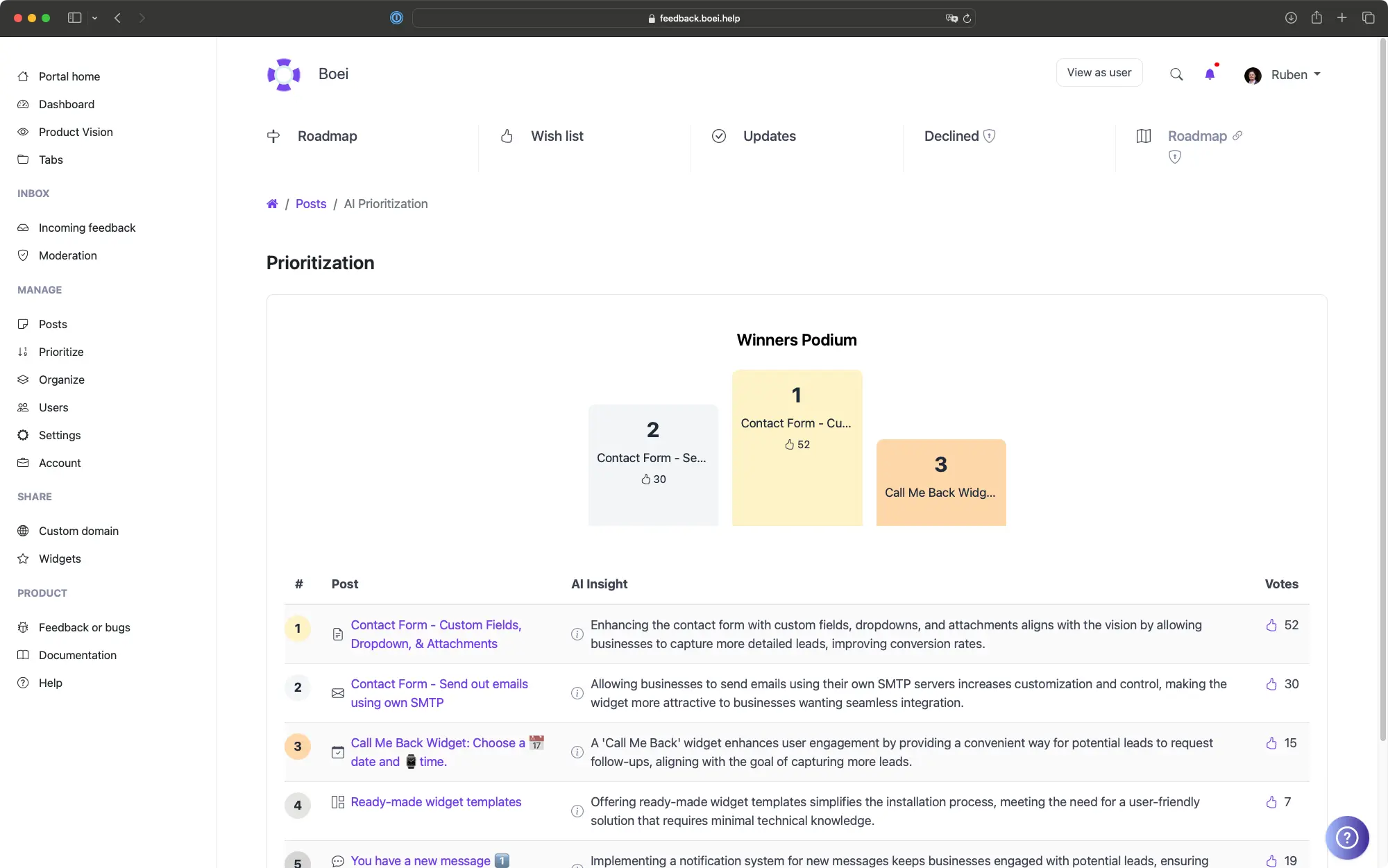
Let AI Organize and Prioritize Your Backlog
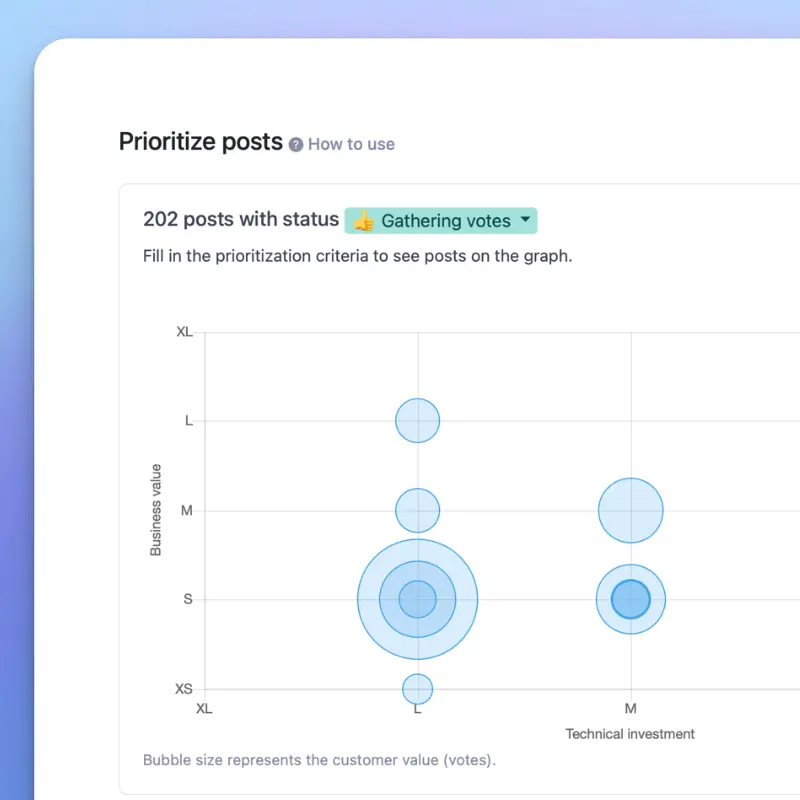
Weight Every Vote by Revenue
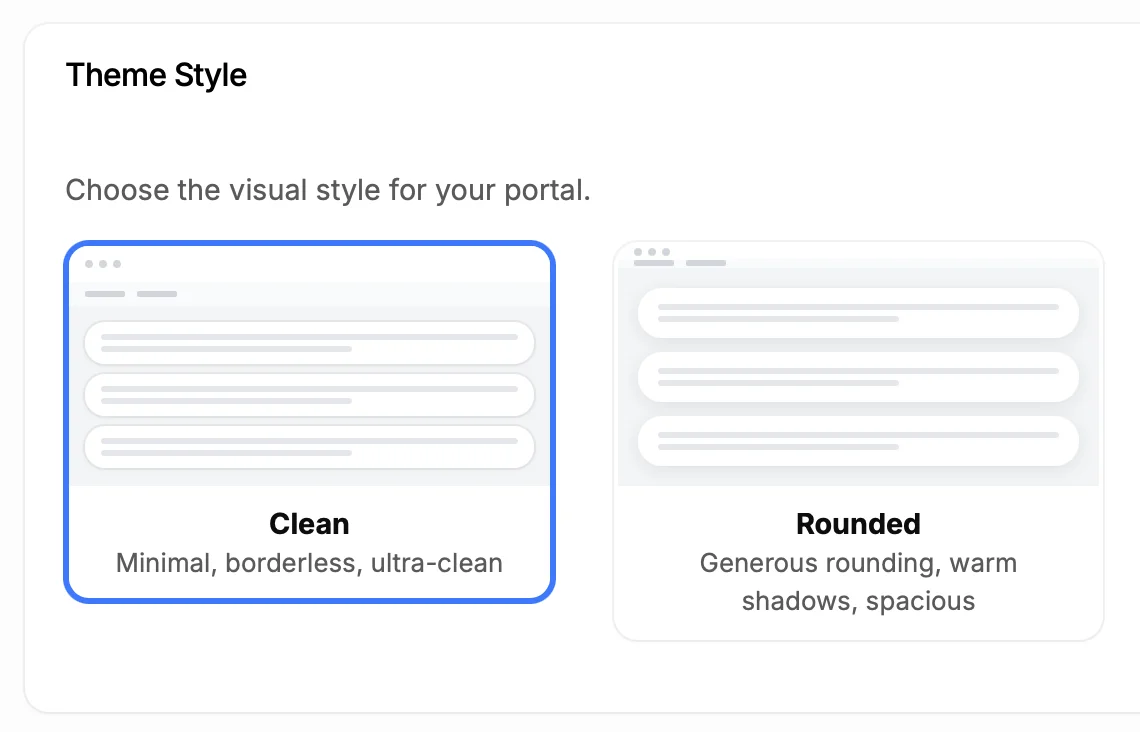
White-Label the Entire Experience
5,204
Teams collecting feedback with ProductLift
4.8
Average rating on G2 and Capterra
28
Languages supported out of the box
What Teams Say After Switching

Sebastian F.
Entrepreneur
★★★★★
This app will help you connect with your users and gather feedback like never before. The UI is clean and focused. The different pages and forms can be fully customized. Ruben is an amazing developer and entrepreneur with a proven track record. ProductLift is going places and you should get onboard.
AppSumo
Aaron Dye
★★★★★
An excellent product with equally excellent support! Everything just works, and when I had questions, the team was incredibly responsive.
Timothy M.
Product Manager
★★★★★
This tool is literally a needle in a haystack. I was using Frill, and this doesn't even compare. The user interface, the way it lays out — so amazing. Also amazing support team!
AppSumo
Ben
Product Owner
★★★★★
Helped us quickly move away from our antiquated spreadsheet to a user-interactive system. User feedback is now collected in real-time. Support has been super speedy!
AppSumo
Marco
★★★★★
Based in Europe, ideal for privacy-conscious customer interaction. Constant improvements by Ruben together with thorough support make ProductLift a solid and future-proof choice.
AppSumo
Chris R.
Founder
★★★★★
By far the most customizable of all the feedback tools and much better than Feedbear. Developer is super responsive and support has been great. Highly recommend!
AppSumo
Who Uses Feedback Boards
SaaS Product Teams
E-Commerce Teams
Agencies and Consultancies
EdTech and LMS Platforms
From Idea to Shipped Feature
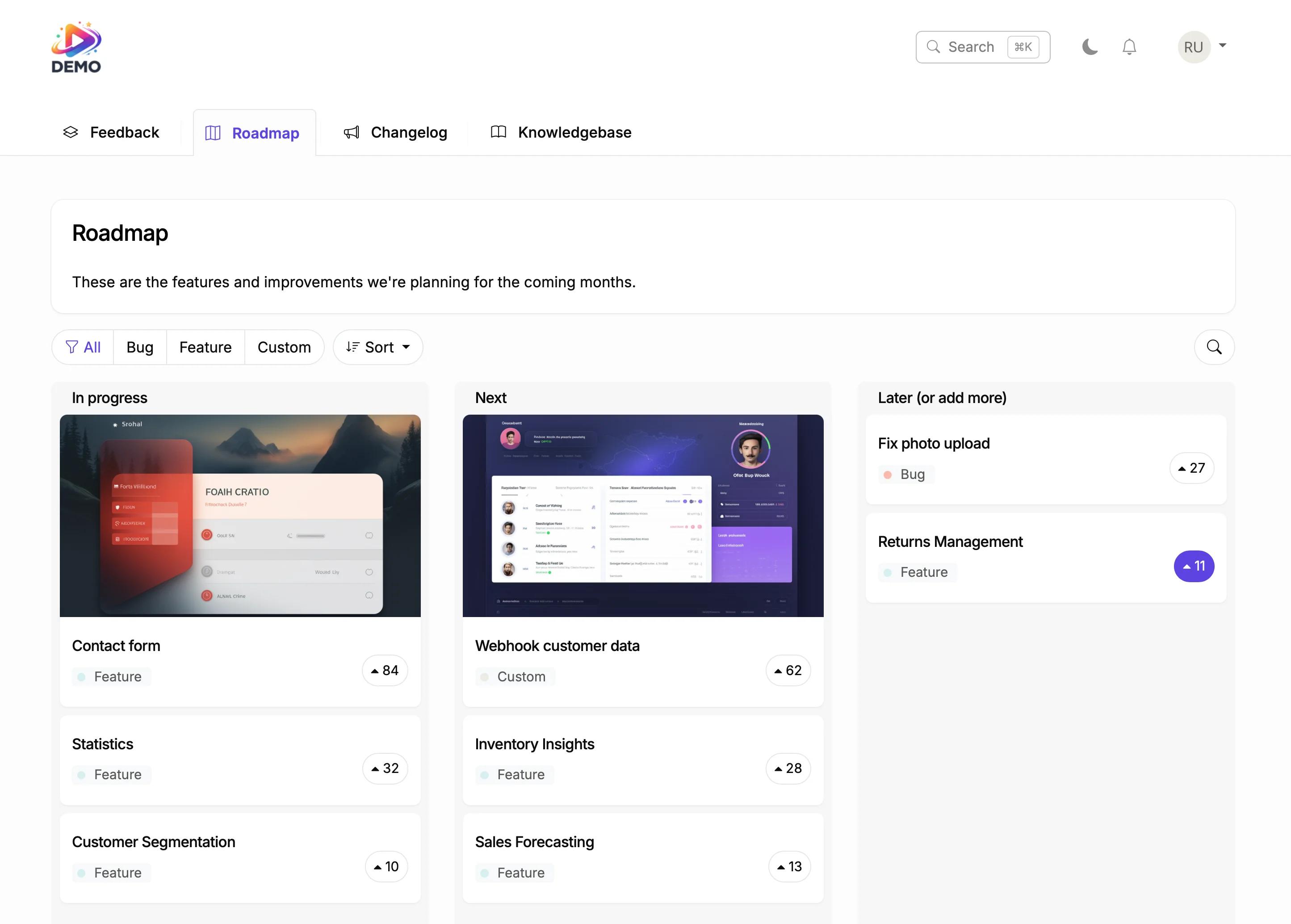
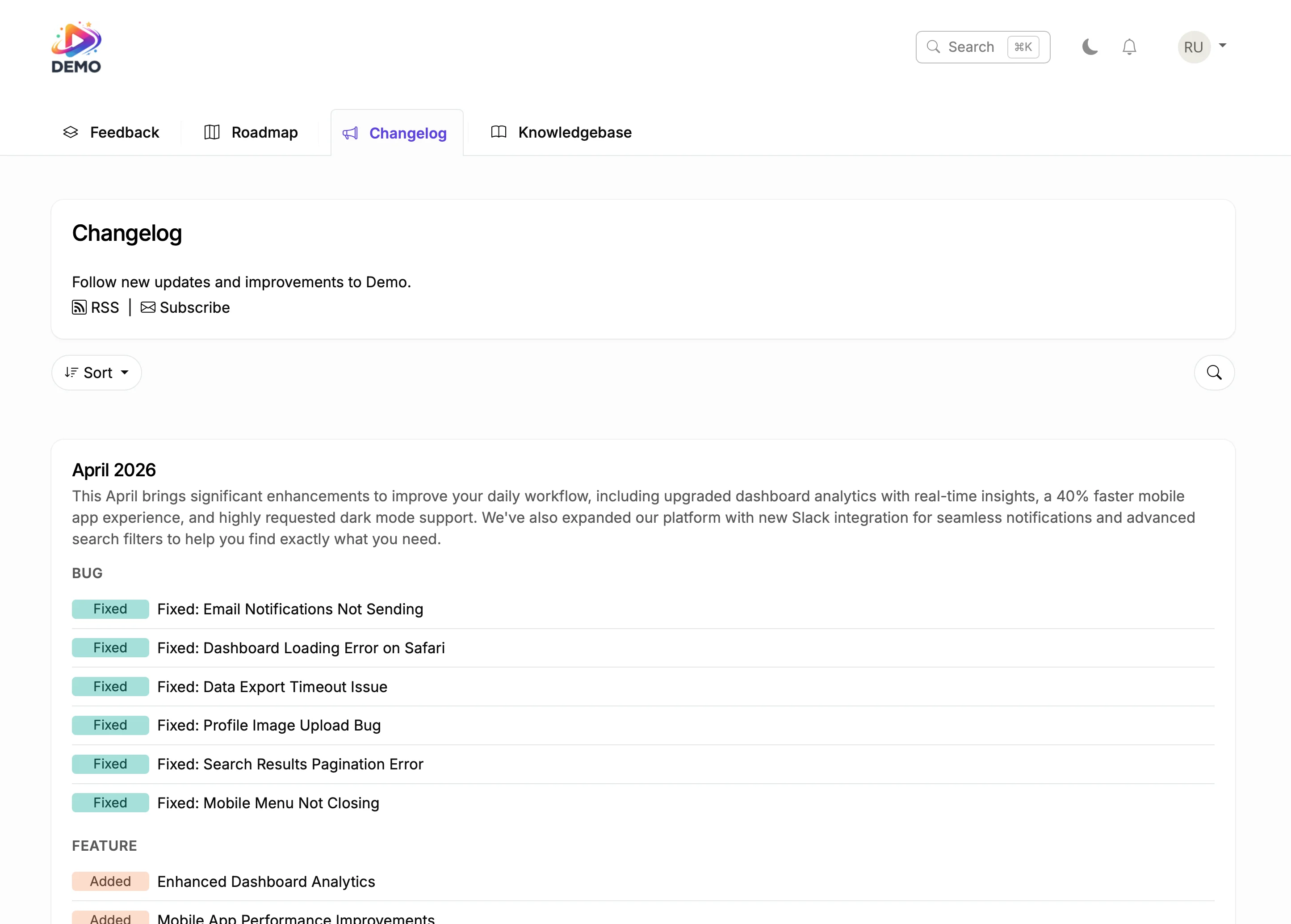
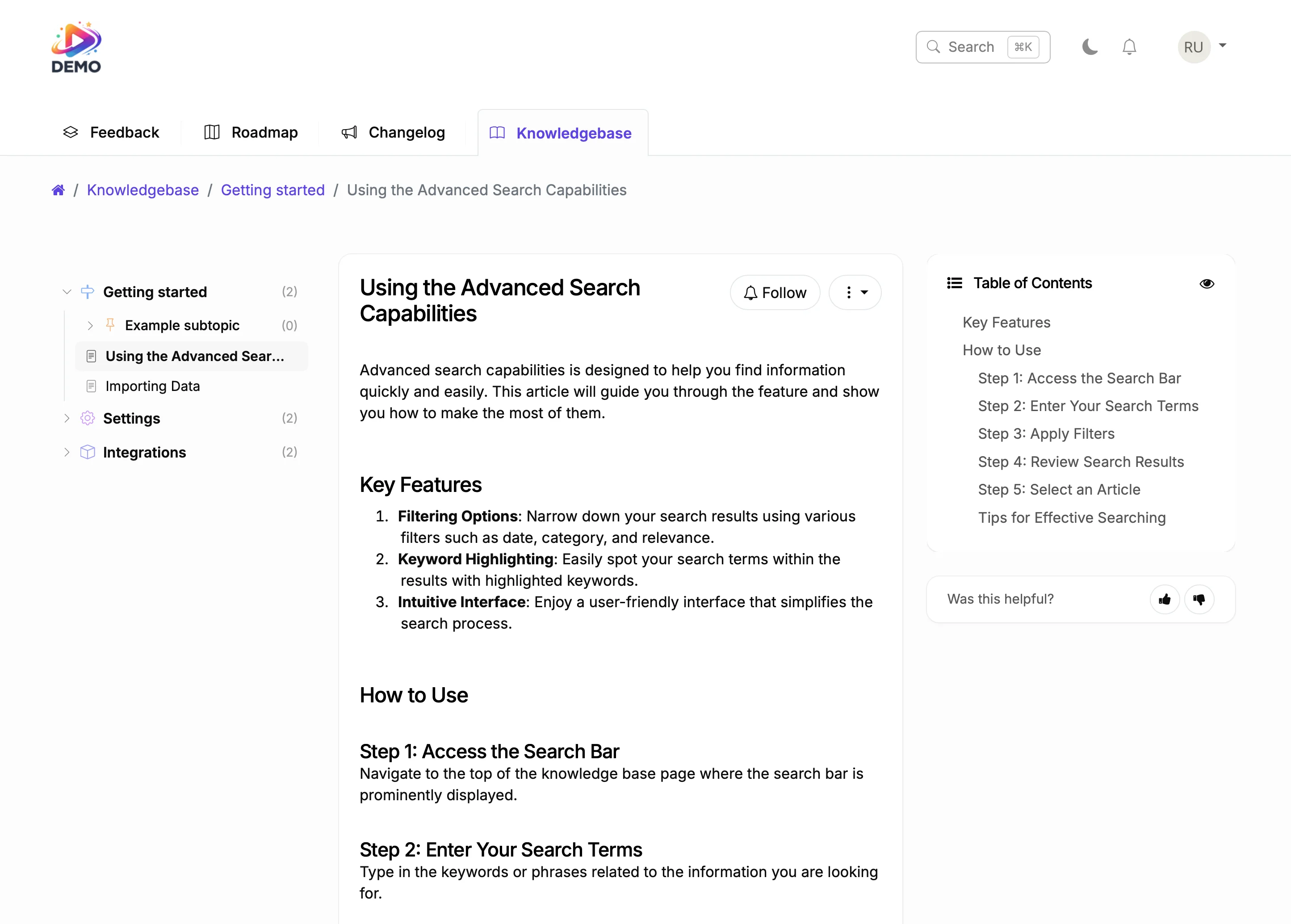
Most feedback tools collect ideas and leave them in a list. Nobody knows what happened next. ProductLift is different because your feedback board is connected to your roadmap, changelog, and knowledge base.
When a user submits a request and you ship it six months later, they get notified automatically. That single moment, "We built what you asked for," turns a passive user into an advocate. That's why over 6,000 teams trust ProductLift to close the loop.

Ruben Buijs
Founder of ProductLift
How Feedback Boards Compare to Surveys and Contact Forms
Surveys ask the questions you already thought of. Contact forms collect one-off messages that disappear into an inbox. Feedback boards do something fundamentally different: they let users tell you what they need in their own words, and then let other users validate that need with votes.
A survey gives you a snapshot. A feedback board gives you a living backlog. Requests accumulate votes over time, so you see which ideas gain traction and which ones fade. You don't need to design a new survey every quarter to find out what matters.
Contact forms create a 1:1 conversation between one user and your support team. Feedback boards create a public conversation where users build on each other's ideas, add context, and signal demand. The team that asked for CSV export six months ago can see that 47 other users voted for the same thing.
The biggest difference: surveys and contact forms have no closing mechanism. You collect the input, but the person who gave it never finds out what you did with it. A feedback board notifies every voter when you ship their request. That closes the loop and turns feedback into retention.
How Data-Driven Teams Prioritize Feature Requests
Collecting feedback is the easy part. The hard part is deciding what to build next when you have 200 open requests and three engineers. Data-driven teams solve this by scoring every request with a framework and weighting it by revenue impact.
RICE scoring: Rate each request by Reach (how many users it affects), Impact (how much it moves the needle), Confidence (how sure you are about the estimates), and Effort (how long it takes to build). ProductLift calculates RICE scores automatically from your vote data and effort estimates.
Revenue weighting with Stripe: Connect Stripe and ProductLift shows the MRR, LTV, and plan tier for every voter. A request voted on by ten enterprise accounts paying $500/mo scores differently than the same request from a hundred free-tier users. You see dollar-weighted demand, not just headcount.
AI prioritization: Define your product vision once. ProductLift's AI analyzes every request in your backlog against that vision, user demand, and strategic fit. It surfaces the items most aligned with where you are heading, so you spend less time in prioritization meetings and more time building.