Product Governance refers to the set of processes, policies, and practices that guide the management and decision-making of a SaaS product throughout its lifecycle. It involves the strategic oversight and control over various aspects of the product, ensuring alignment with business objectives, customer needs, and regulatory requirements.
Examples of Product Governance
- Feature Prioritization: Product Governance helps in prioritizing features based on their impact on customer value, revenue potential, and technical feasibility.
- Roadmap Planning: It involves creating and maintaining a product roadmap that outlines the product's future direction, goals, and key milestones.
- Release Management: Product Governance ensures a structured approach to planning, coordinating, and executing product releases, including version control, quality assurance, and deployment.
- Compliance and Security: It involves defining and enforcing policies for data privacy, security, and regulatory compliance to protect customer and company interests.
- Feedback and Iteration: Product Governance establishes mechanisms for collecting and incorporating user feedback, conducting usability testing, and driving continuous improvement.
Importance of Product Governance
Effective Product Governance is crucial for the success of a SaaS product. It provides the following benefits:
- Strategic Alignment: It ensures that the product's vision, goals, and roadmap are aligned with the overall business strategy and objectives.
- Risk Management: Product Governance helps identify and mitigate risks related to product performance, security, compliance, and market viability.
- Enhanced Decision-Making: It provides a framework for making informed decisions by considering various factors such as customer needs, market trends, and technical constraints.
- Resource Optimization: By prioritizing features and initiatives, Product Governance optimizes the allocation of resources, ensuring maximum value delivery.
- Customer Satisfaction: It enables the development of customer-centric products that meet their needs, resulting in higher customer satisfaction and retention.
How to Use Product Governance
To effectively use Product Governance in managing a SaaS product, consider the following steps:
- Establish Clear Product Objectives: Define clear objectives and key results (OKRs) for the product, ensuring they align with the overall business strategy.
- Create a Product Governance Framework: Develop a framework that outlines the roles, responsibilities, and decision-making processes involved in product management.
- Collect and Analyze Data: Gather relevant data on customer feedback, market trends, competitive analysis, and technical feasibility to inform product decisions.
- Prioritize Features and Initiatives: Use various prioritization techniques like the MoSCoW method, Kano model, or cost-benefit analysis to prioritize features based on their impact and feasibility.
- Regularly Review and Update: Continuously review and update the product roadmap, ensuring it reflects changing market conditions, customer needs, and business priorities.
- Collaborate and Communicate: Foster collaboration among cross-functional teams, ensuring effective communication and alignment throughout the product development process.
Useful Tips for Product Governance
Consider the following tips to enhance your Product Governance practices:
- Involve Stakeholders: Engage stakeholders from different departments, including product management, engineering, marketing, sales, and customer support, to gather diverse perspectives and ensure shared ownership.
- Stay Agile: Embrace agile methodologies like Scrum or Kanban to foster flexibility, adaptability, and responsiveness in product development and decision-making.
- Leverage Analytics: Utilize data analytics tools to gain insights into user behavior, product usage, and performance metrics, enabling data-driven decision-making.
- Continuously Monitor and Evaluate: Regularly monitor and evaluate the product's performance, customer feedback, and market dynamics to identify areas for improvement and make informed adjustments.
- Stay Up-to-Date: Keep up with industry trends, emerging technologies, and regulatory changes to ensure your product remains competitive and compliant.
FAQ
What is product governance?
Why is product governance important?
What are the key components of product governance?
Who is responsible for product governance?
How does product governance impact product development?
What are some common challenges in product governance?
How can product governance be improved?
What is the role of risk management in product governance?
How does product governance support compliance?
What are the benefits of effective product governance?
The faster, easier way to capture user feedback at scale
Join over 5,204 product managers and see how easy it is to build products people love.





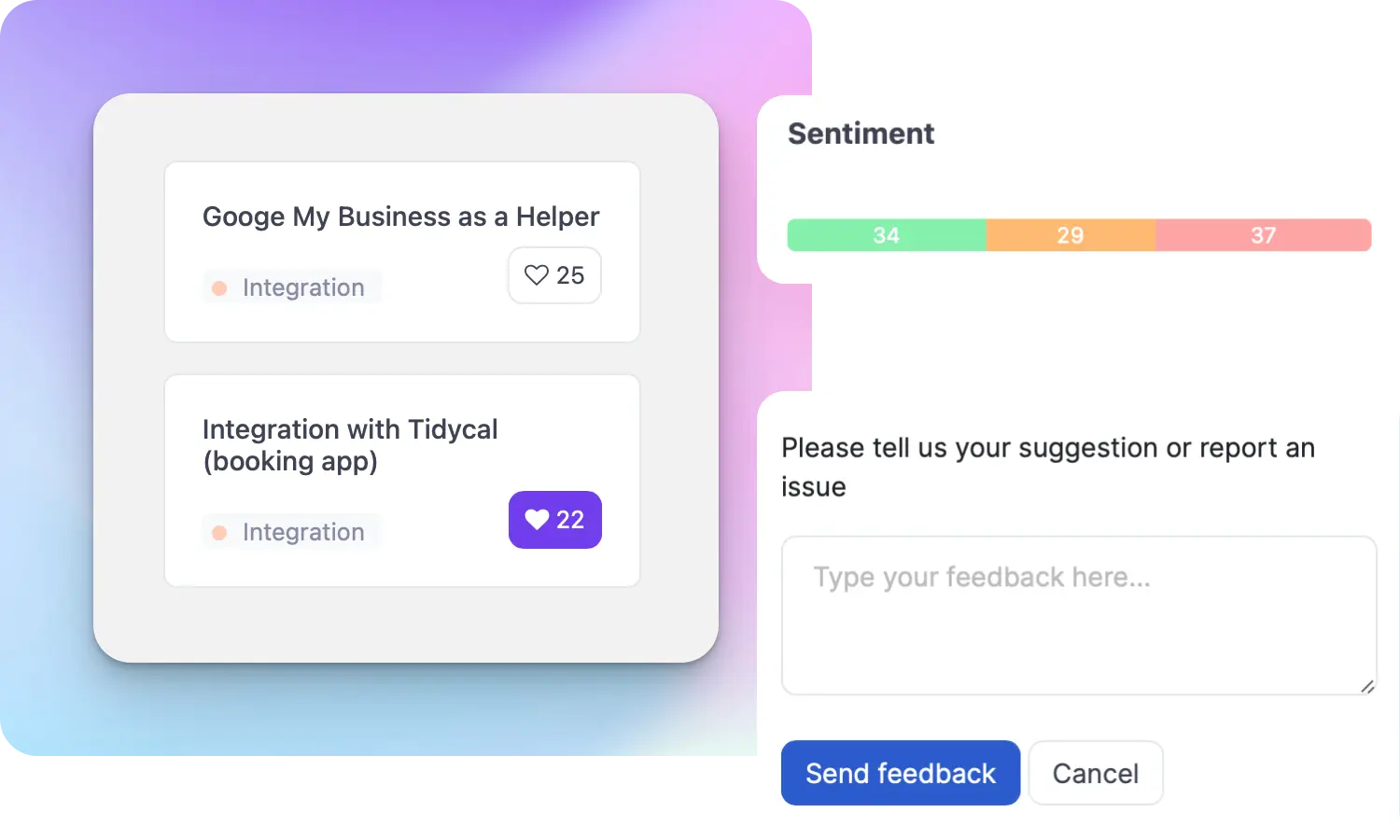
Did you know 80% of software features are rarely or never used? That's a lot of wasted effort.
SaaS software companies spend billions on unused features. In 2025, it was $29.5 billion.
We saw this problem and decided to do something about it. Product teams needed a better way to decide what to build.
That's why we created ProductLift - to put all feedback in one place, helping teams easily see what features matter most.
In the last five years, we've helped over 5,204 product teams (like yours) double feature adoption and halve the costs. I'd love for you to give it a try.

Ruben Buijs
Founder & Digital Consultant