Product retirement refers to the process of discontinuing a software-as-a-service (SaaS) product and removing it from the market. It involves the deliberate decision to stop offering a product to customers and taking necessary steps to wind down its operations.
Examples
- Google Inbox: Google retired Inbox, an email app, in 2019. They communicated the retirement well in advance and provided alternative options for users.
- Microsoft Windows XP: Microsoft retired Windows XP, an operating system, in 2014. They stopped providing updates and support for the product, encouraging users to upgrade to newer versions.
Importance
Product retirement is an essential aspect of product management. It allows companies to focus their resources on developing and supporting more relevant and profitable products. By retiring a product, businesses can avoid the costs associated with maintaining and updating outdated software. It also enables companies to align their product offerings with market demands and technological advancements.
How to Use Product Retirement
- Evaluate product performance: Assess the product's performance, including usage metrics, customer feedback, and market trends. Determine if the product is still meeting customer needs and if it aligns with the company's long-term strategy.
- Communicate with stakeholders: Notify customers, partners, and other stakeholders about the decision to retire the product. Clearly communicate the timeline, reasons, and any alternative solutions or migration paths available.
- Plan for transition: Develop a comprehensive plan for the retirement process, including a timeline, resource allocation, and steps to ensure a smooth transition for customers and any associated data or integrations.
- Execute retirement plan: Follow the established plan, ensuring all necessary actions are taken to retire the product, such as disabling access, terminating contracts, and archiving data.
- Evaluate post-retirement impact: Continuously monitor the impact of product retirement on customers, revenue, and market position. Use this feedback to improve future product retirements.
Useful Tips
- Timing is crucial: Plan the retirement well in advance, considering factors such as contractual obligations, customer adoption of alternatives, and any dependencies on the product.
- Provide alternatives: Offer customers alternative products or services that may fulfill their needs. This helps maintain customer loyalty and mitigates the impact of retirement.
- Communicate effectively: Use multiple communication channels to inform customers about the retirement, ensuring they have sufficient time to migrate to alternative solutions.
- Consider data migration: If applicable, provide customers with options to export or migrate their data from the retiring product to alternative solutions.
- Learn from the retirement: Collect feedback from customers and internal teams to identify lessons learned and improve future product retirements.
FAQ
What is product retirement?
Why do companies retire products?
How does product retirement impact customers?
Can customers request the extension of product retirement?
How should companies communicate product retirement to customers?
What should customers do if their preferred product is being retired?
How can product retirement be managed effectively?
Are there any advantages to product retirement?
What is the difference between product retirement and end-of-life (EOL)?
How can companies minimize customer dissatisfaction during product retirement?
The faster, easier way to capture user feedback at scale
Join over 5,204 product managers and see how easy it is to build products people love.





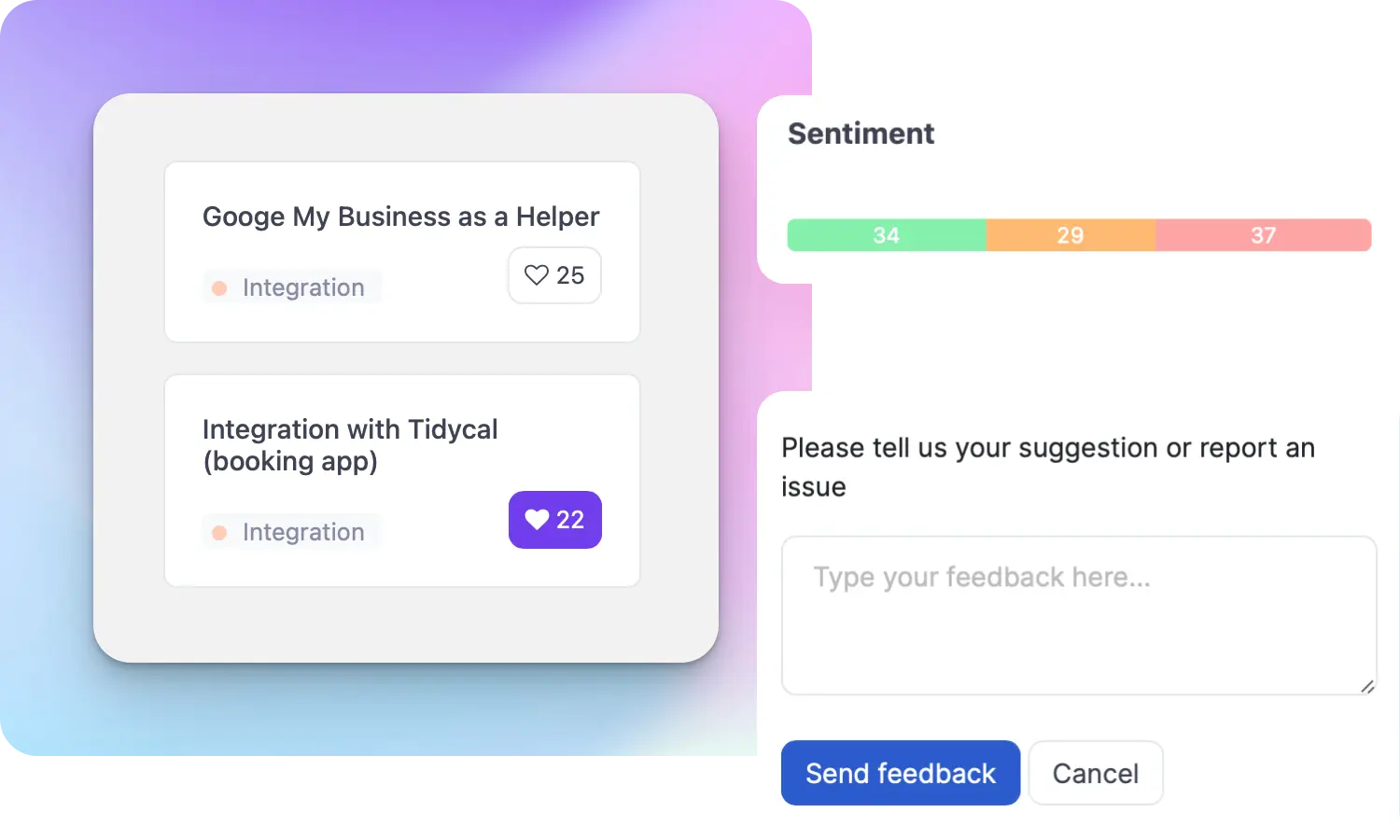
Did you know 80% of software features are rarely or never used? That's a lot of wasted effort.
SaaS software companies spend billions on unused features. In 2025, it was $29.5 billion.
We saw this problem and decided to do something about it. Product teams needed a better way to decide what to build.
That's why we created ProductLift - to put all feedback in one place, helping teams easily see what features matter most.
In the last five years, we've helped over 5,204 product teams (like yours) double feature adoption and halve the costs. I'd love for you to give it a try.

Ruben Buijs
Founder & Digital Consultant