Release Notes That Close the Feedback Loop





from 124+ reviews
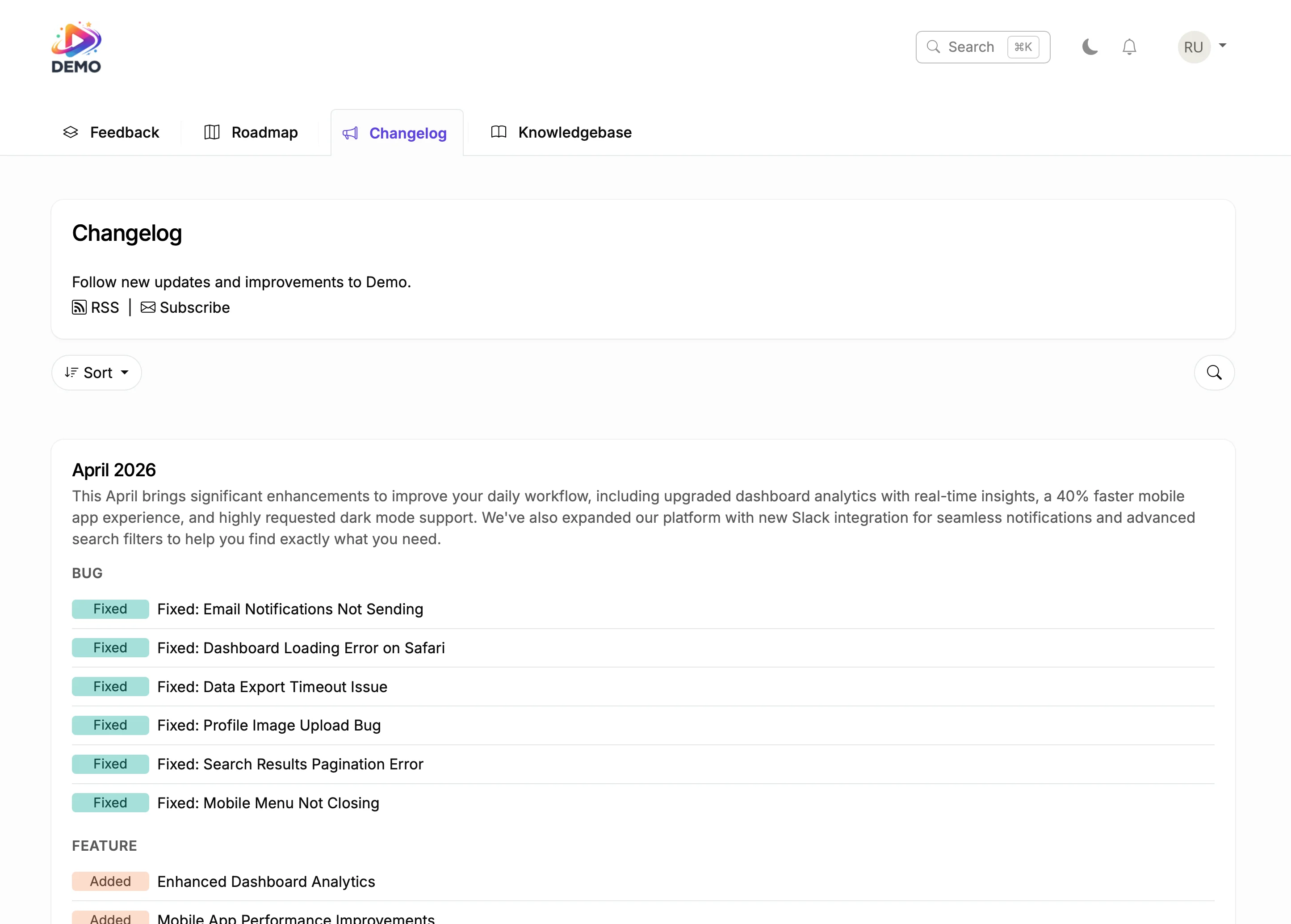





See Release Notes in Action
How It Works
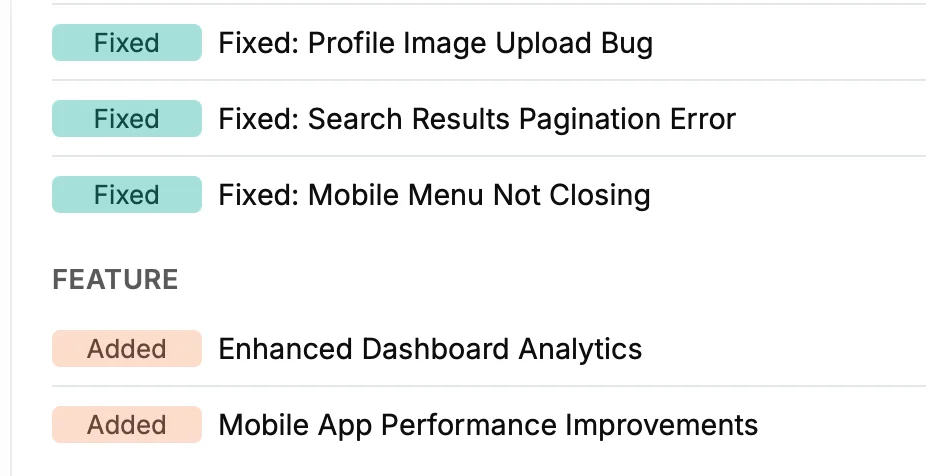
Ship a feature
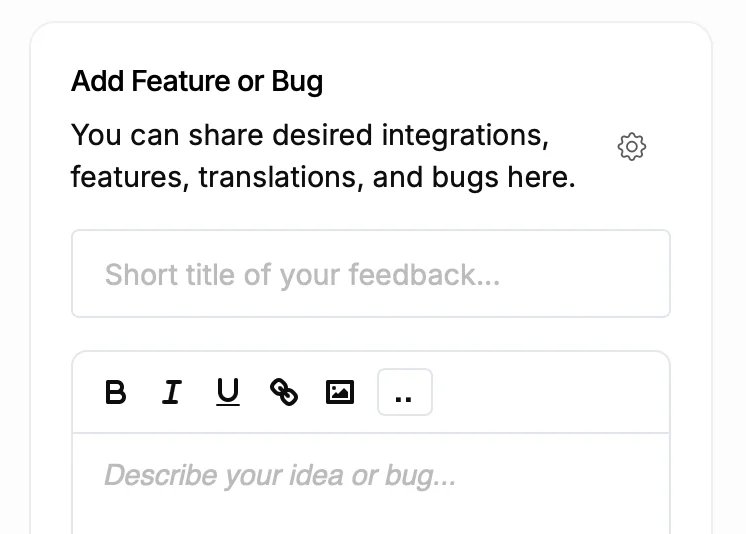
Write it or use Git2Log
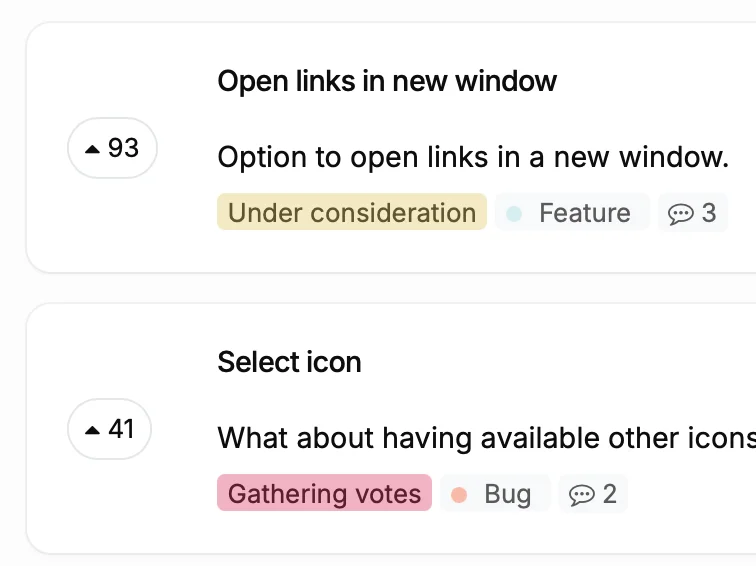
Voters get notified
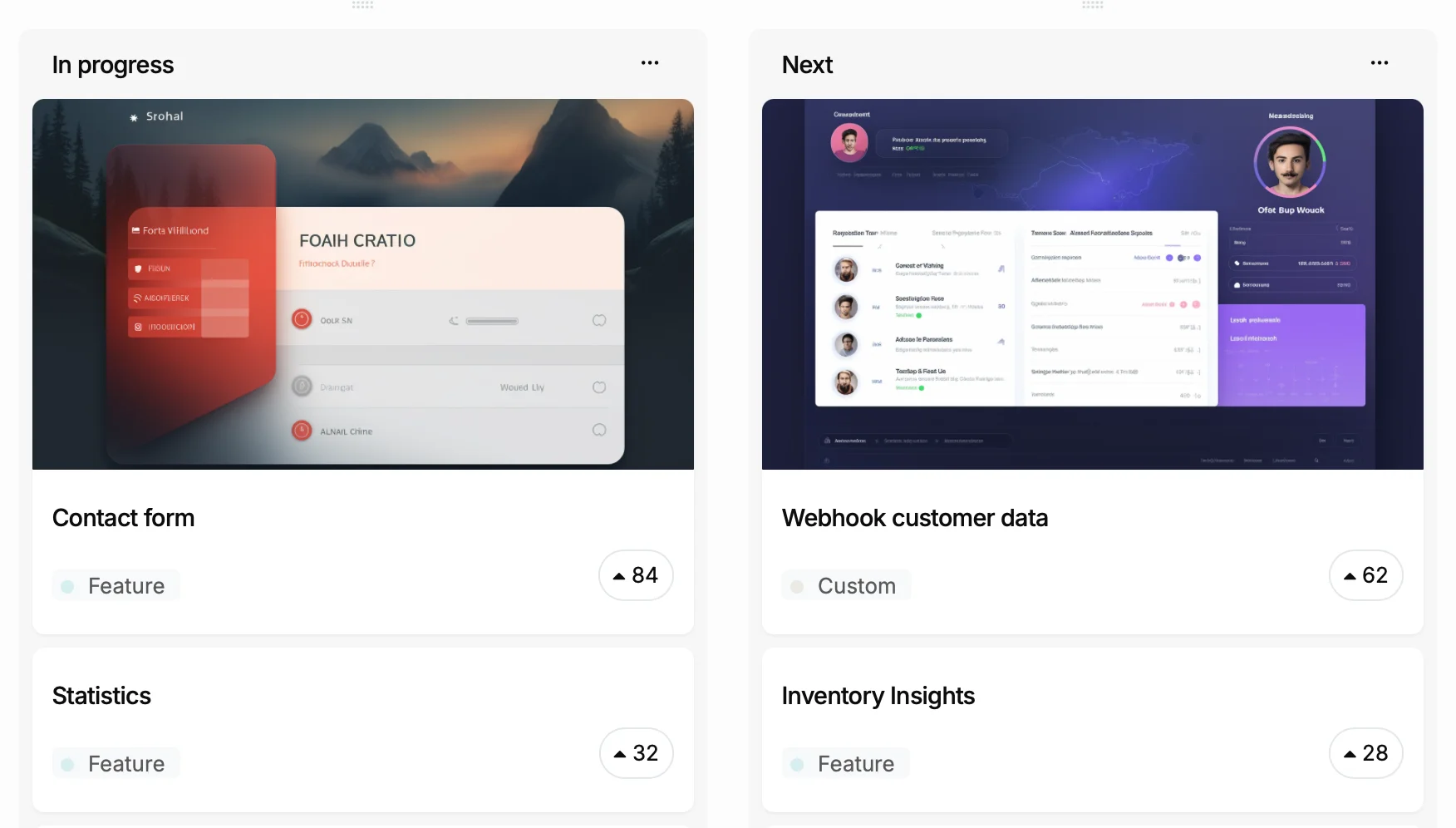
Subscribers get emailed
What Changes When You Use a Release Notes Tool
Before
With ProductLift
Everything You Need for Release Notes
Git2Log: Commits to Changelog
Categories and Labels
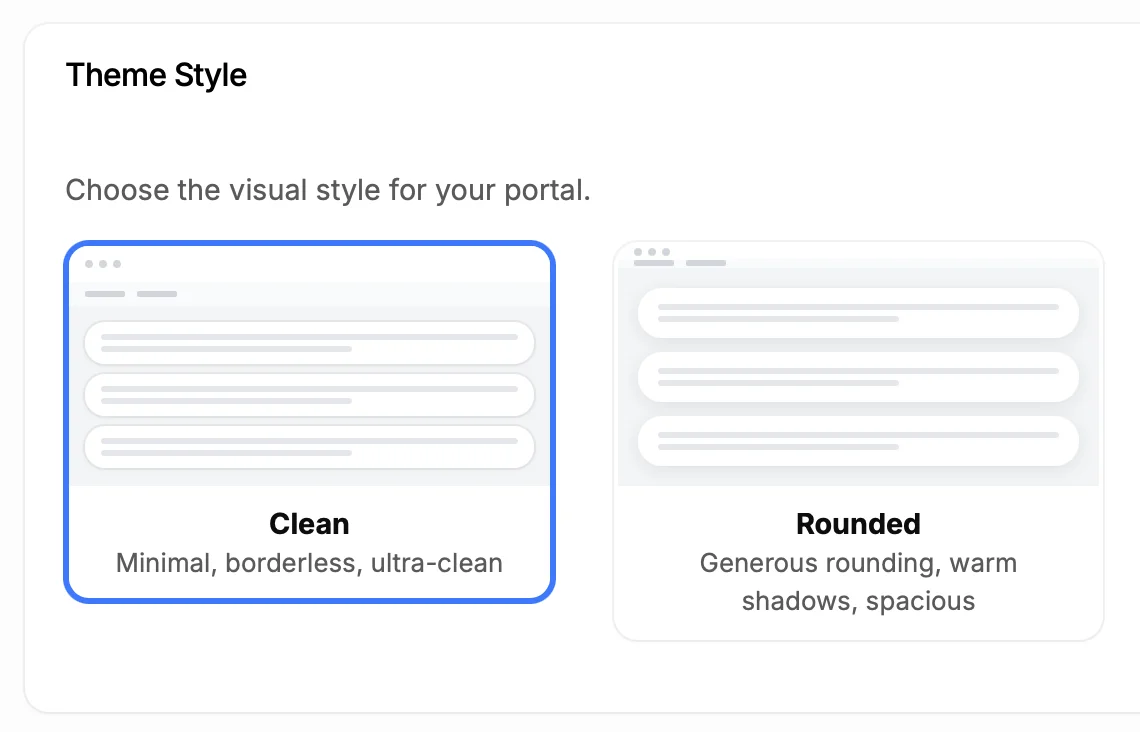
What's New Widget
Email Notifications
User Reactions
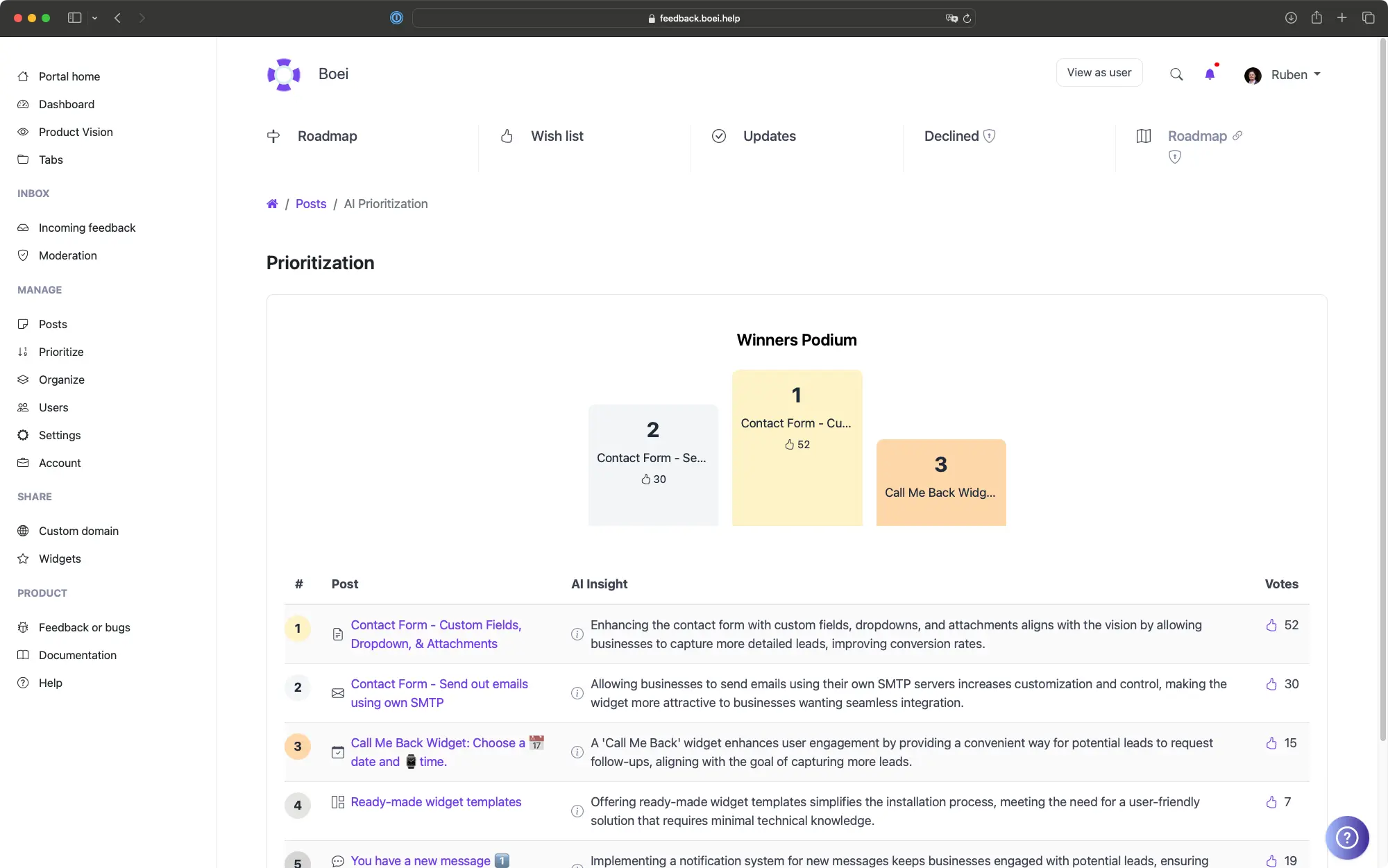
Connected to Feedback and Roadmap
5,204
Teams publishing release notes with ProductLift
4.8
Average rating on G2 and Capterra
1 click
From git commit to published changelog entry
What Teams Say About Their Changelog

Sebastian F.
Entrepreneur
★★★★★
This app will help you connect with your users and gather feedback like never before. The UI is clean and focused. The different pages and forms can be fully customized. Ruben is an amazing developer and entrepreneur with a proven track record. ProductLift is going places and you should get onboard.
AppSumo
Aaron Dye
★★★★★
An excellent product with equally excellent support! Everything just works, and when I had questions, the team was incredibly responsive.
Timothy M.
Product Manager
★★★★★
This tool is literally a needle in a haystack. I was using Frill, and this doesn't even compare. The user interface, the way it lays out — so amazing. Also amazing support team!
AppSumo
Ben
Product Owner
★★★★★
Helped us quickly move away from our antiquated spreadsheet to a user-interactive system. User feedback is now collected in real-time. Support has been super speedy!
AppSumo
Marco
★★★★★
Based in Europe, ideal for privacy-conscious customer interaction. Constant improvements by Ruben together with thorough support make ProductLift a solid and future-proof choice.
AppSumo
Chris R.
Founder
★★★★★
By far the most customizable of all the feedback tools and much better than Feedbear. Developer is super responsive and support has been great. Highly recommend!
AppSumo
Who Uses Release Notes Software
SaaS Companies
Developer Tools
E-commerce Platforms
Agencies and Client Projects
From Idea to Shipped Feature
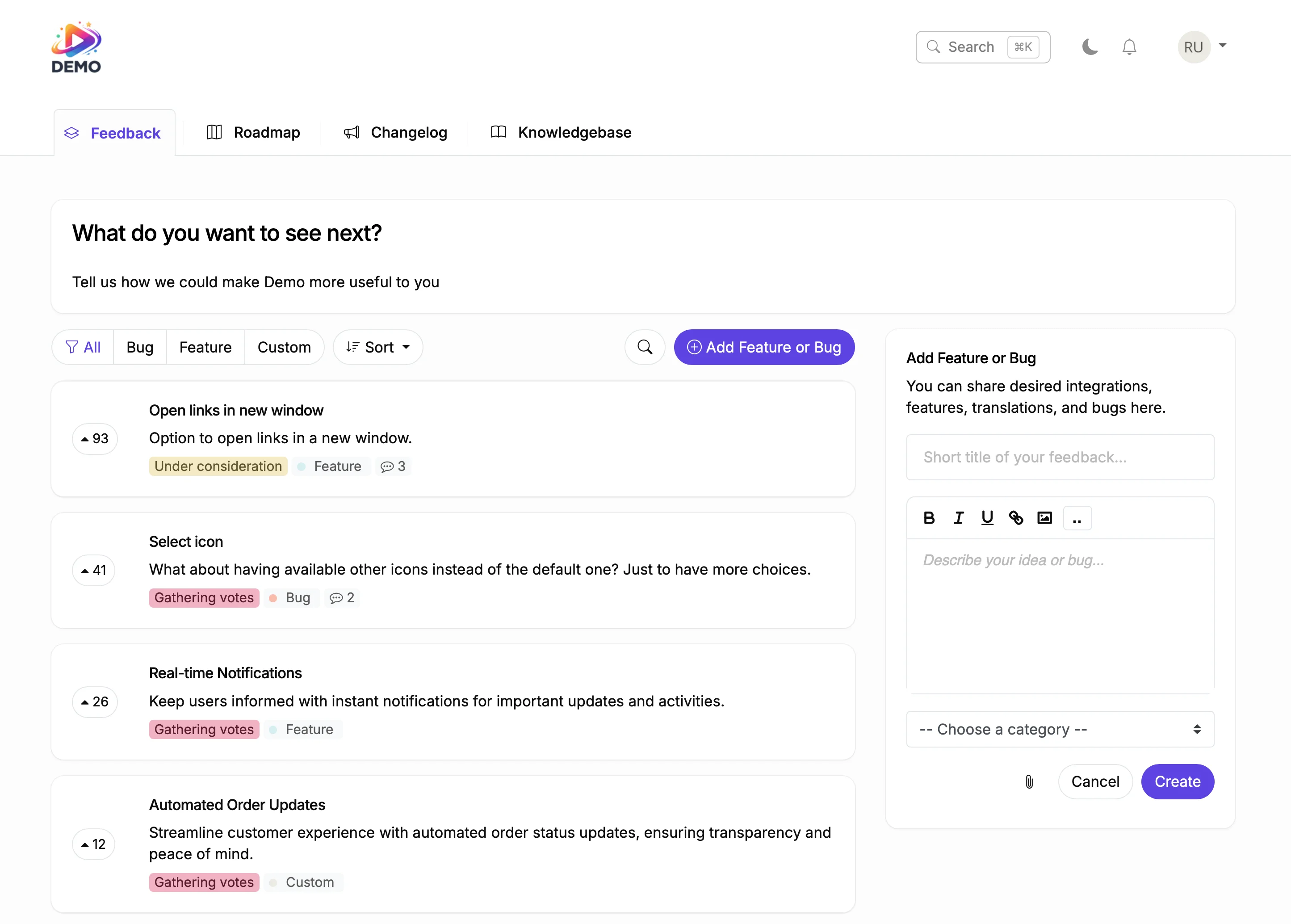
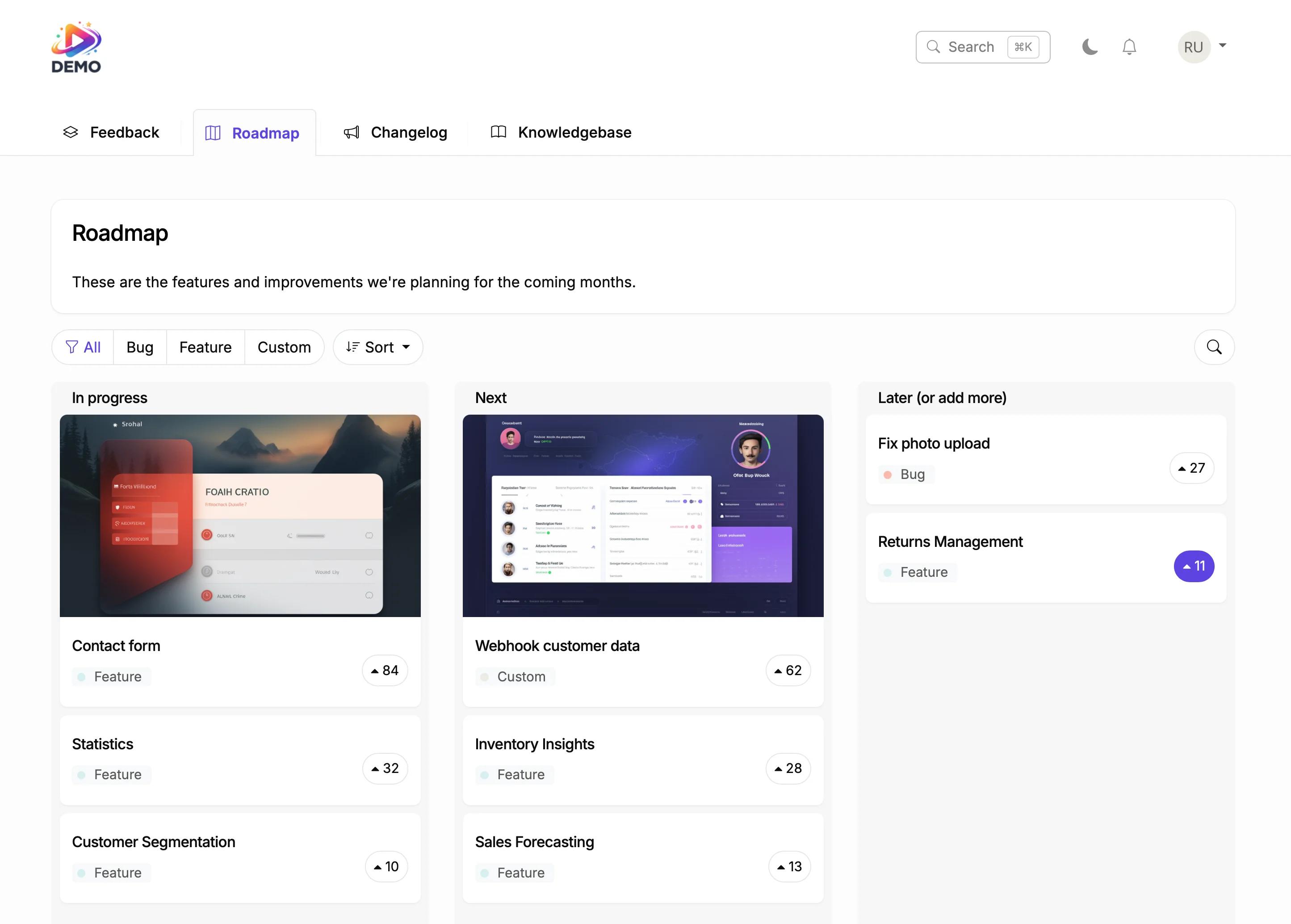
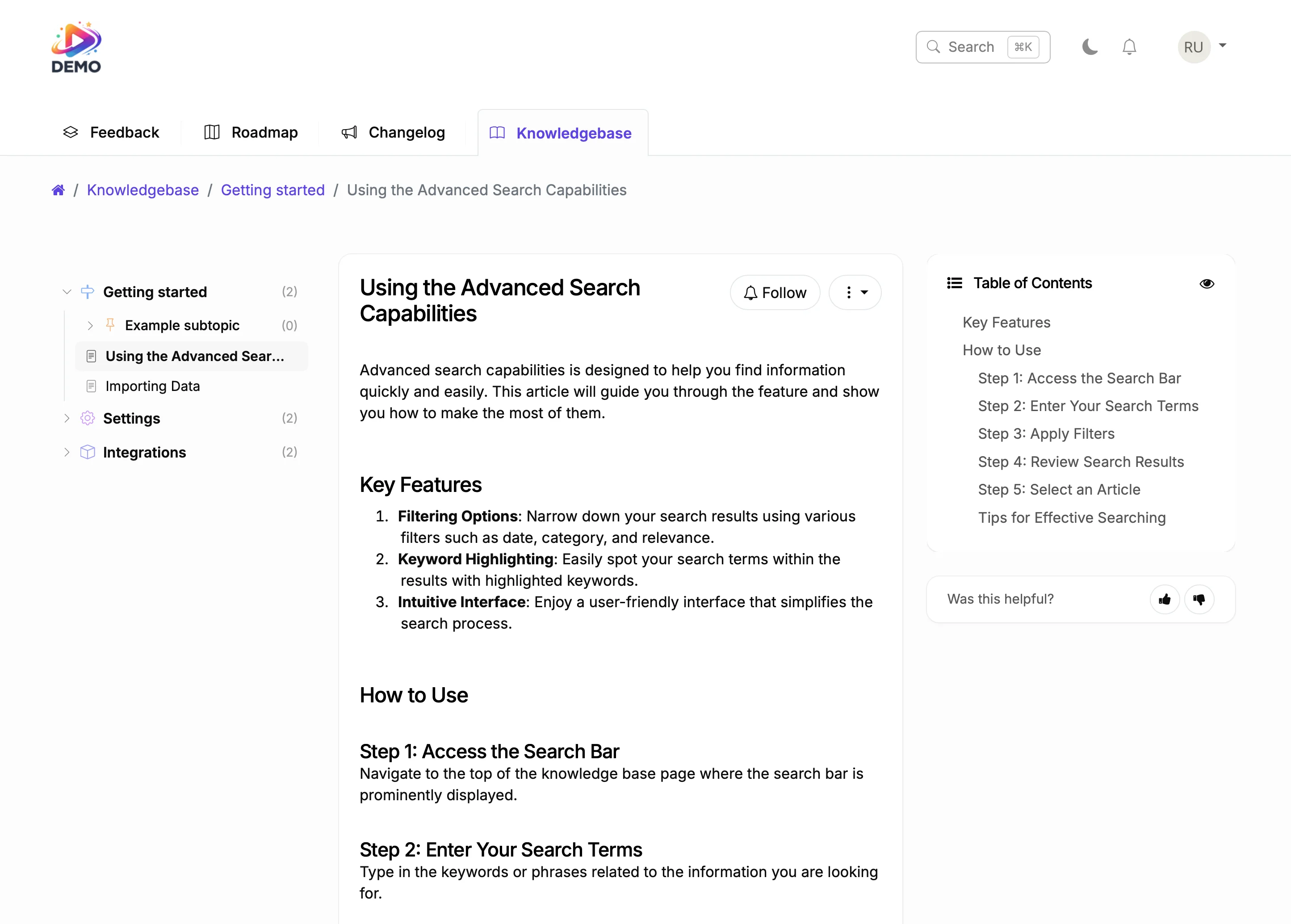
Document It
Most release notes tools are standalone. You write an update, publish it, and hope someone reads it. ProductLift is different because your changelog is connected to everything: feedback board, roadmap, and knowledge base.
When a user votes for a feature on your feedback board and you ship it six months later, they get notified automatically. The release note links back to the original request. That closes the loop. Users feel heard, retention goes up, and your changelog becomes proof that you listen.

Ruben Buijs
Founder of ProductLift
Release Notes vs Blog Posts vs Changelogs
Many teams announce product updates through blog posts. The problem: blog posts get buried under marketing content, SEO articles, and company news. A user looking for "what changed in the last month" has to scroll through unrelated content to find it.
A dedicated release notes page solves this. Every entry is categorized (Added, Fixed, Improved), searchable, and lives at one URL. Users can subscribe by email, react to entries, and filter by category. It is the single source of truth for what you shipped.
Release notes vs changelog: These terms are often used interchangeably. Some teams use "release notes" for detailed per-version documentation and "changelog" for a running list of changes. ProductLift supports both styles. You decide the format, frequency, and level of detail.
Why a dedicated tool beats blogging about updates: Blog platforms like WordPress, Ghost, and Medium are designed for long-form content, not categorized product updates. They lack subscriber notifications tied to specific features, user reactions, in-app widgets, and the connection between a feature request and its release. A release notes tool is purpose-built for this workflow.
The real advantage: When your release notes are connected to your feedback board and roadmap, every update carries context. Users see that the feature they voted for six months ago just shipped. That isn't something a blog post can do.